
LC1 Elections: Why Uganda’s Smallest Political Unit Holds the Key to National Development
By Brian Mugenyi
Watchdog Uganda | mugenyijj@gmail.com
KAMPALA, Uganda — Long before a government programme makes it into a glossy ministry report in Kampala, and well before billions in budgeted shillings leave the treasury, governance faces its ultimate test in a place far removed from the capital: the village.
Uganda’s village is the country’s smallest administrative unit. Yet, it is arguably the most volatile and powerful point of contact between ordinary citizens and the state.
It is here, at the absolute grassroots, where families fight for land justice, communities manage flare-ups of crime, and state policies either transform lives or die on paper.
This high-stakes reality has catapulted the upcoming Local Council I (LC1) elections into the dead center of the national conversation. Millions of Ugandans are now preparing to elect leaders who will hold near-total sway over their daily security and economic survival.
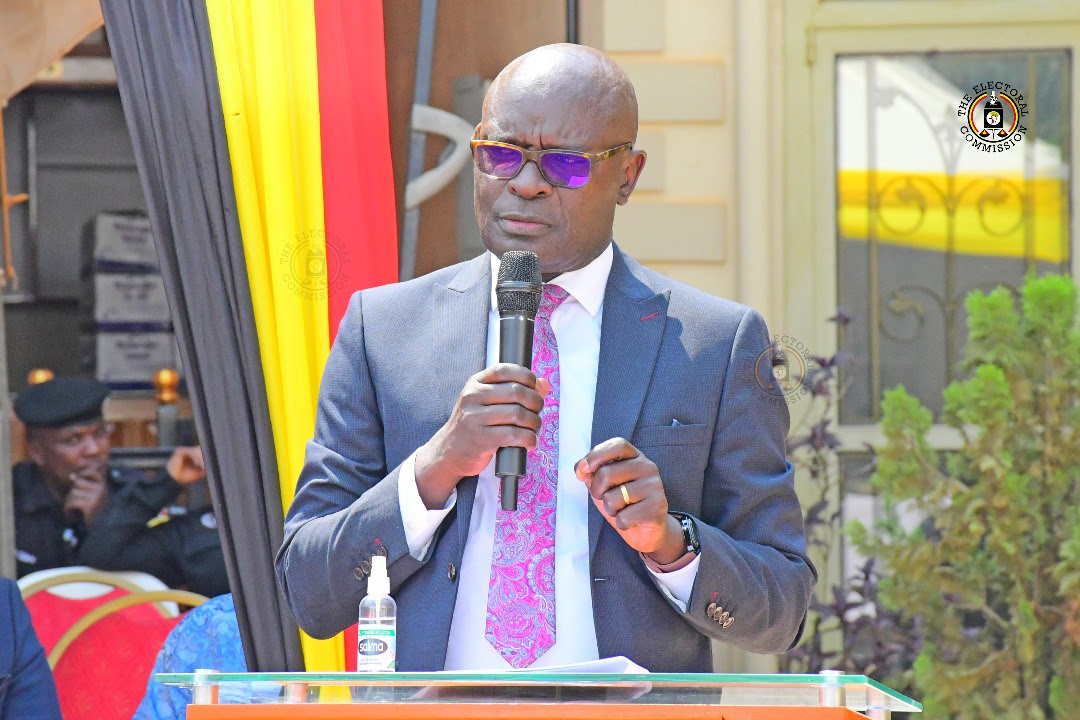
Electoral Commission (EC) Chairperson, Justice Simon Byabakama Mugenyi, has rolled out a fast-tracked roadmap for the polls, framing the exercise as a critical test for democratic participation and grassroots accountability.
The deadlines you need to know:
The nationwide electoral machinery is already moving. According to the EC, recruitment of Village Election Officials runs from June 23 to July 1, 2026, hot on the heels of the sub-county recruitment drive.
Official candidate nominations are locked in for July 15 to July 19, 2026. The real showdown happens on July 28, 2026, when voters line up to elect Village Chairpersons and Executive Committees. The process then scales up to Parish and Ward levels, concluding on August 10, 2026.
But beyond the dates and logistics, this election is a brutal trial of whether grassroots democracy can actually deliver uncorrupt leadership.
The first line of defense
For the average citizen, a village chairperson isn’t some abstract political figure. They are the immediate face of the government. When a land boundary is crossed, a local theft occurs, or a family feud boils over, the LC1 office is the mandatory first stop.
“The village committee is the eyes and ears of government,” Byabakama warned stakeholders, underscoring the massive constitutional weight resting on these local offices.
Governance experts are quick to point out that while national politicians debate grand strategies in air-conditioned parliament chambers, the actual return on public investments—like schools and health centers—hangs entirely on the integrity of these village watchdogs. Without them, massive state funding simply vanishes into local patronage networks.
A strict security mandate: The role extends far beyond development. LC1 structures are legally bound to keep the peace. “The LC1 council has the mandate to ensure that law and order prevail,” Byabakama noted, urging voters to ditch popular fast-talkers and elect candidates based strictly on character and backbones.
Follow the money, fight the brokers
The stakes are incredibly high this time around. Billions of shillings are currently pumping directly into villages via the Parish Development Model (PDM), turning these tiny local councils into major financial gatekeepers.
Edison Kirabira, the Operation Wealth Creation (OWC) Coordinator for Greater Kampala, speaking from the head office in Munyonyo, sent a blunt warning to voters: choose managers, not crooks.
“The leaders should not be corrupt,” Kirabira stated flatly. “People who can follow the Parish Development Model funds and fight corruption are the reliable leaders we need. Grassroots leadership must be ironclad if government interventions are to reach the intended beneficiaries.”
Meanwhile, the EC has issued a strict warning: no registration, no vote. Byabakama reminded eager voters that checking village registers early is non-negotiable to avoid chaotic scenes and mass disqualifications on polling day.
Presidential and parliamentary races always hog the media spotlight. But it is the LC1 elections that dictate the reality of life on the ground. As Uganda dives into this explosive electoral cycle, the EC’s core message remains unyielding: Democracy does not start in Parliament. It begins in the village.
The post LC1 Elections: Why Uganda’s Smallest Political Unit Holds the Key to National Development appeared first on Watchdog Uganda.