Lasher, backed by Nadler, wins high-profile primary

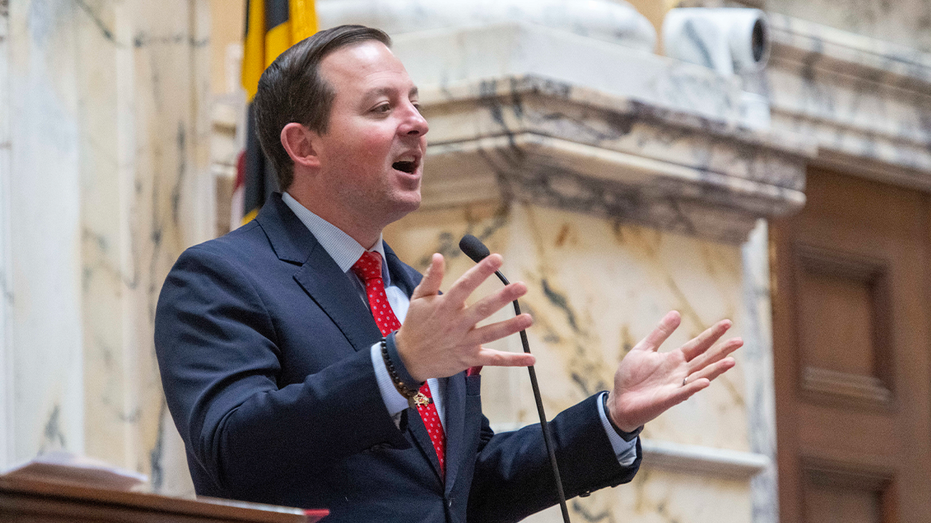
NEW YORK — State Assemblymember Micah Lasher, a longtime political operative who had the support of retiring Rep. Jerry Nadler, won the contentious, crowded primary to succeed the 17-term incumbent.
Lasher, who was elected to the Legislature in 2024, has spent decades working for some of New York’s most powerful Democrats, including Nadler, Gov. Kathy Hochul and former Mayor Michael Bloomberg, who poured $10 million into a super PAC boosting his campaign. His main argument was that political experience is a must to be effective in Washington, and he leaned heavily on touting his legislative record.
New York’s 12th District is a deep-blue seat in Manhattan and is one of the wealthiest and most highly educated districts in the country.
Although he had the support of the outgoing incumbent, Lasher downplayed suggestions that he should be “anointed” to the seat — and endured a grueling campaign to prove it.
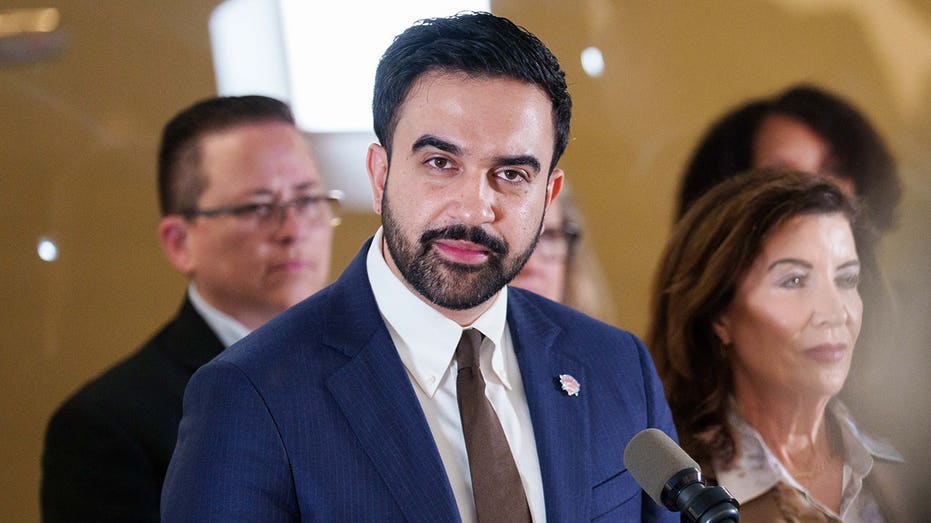
His stiffest competitor was fellow Assemblymember Alex Bores, who drew millions of dollars in outside spending from tech industry players both in favor of and against regulating artificial intelligence. Bores, who’s represented Manhattan’s East Side since 2023, drew the ire of the powerful and deep-pocketed AI industry for sponsoring the RAISE Act, one of the country’s landmark laws establishing guardrails for AI.
Think Big, a super PAC backed by leaders at OpenAI and the venture capital firm Andreessen Horowitz, among others, spent a whopping $8 million against Bores with the hope of sending a message to other politicians who they claim are stymieing tech innovation.
But thrusting Bores into the center of one of the country’s most consequential debates over how to confront the emerging technology also gave him national attention, a wide coalition of support — including from progressives — and even more spending on his behalf.
Pro-Bores super PACs — many of which were backed by people in the industry who favor AI regulations like crypto billionaire Chris Larsen and those with ties to Anthropic — dropped more than $19 million to boost him. That massive spending sparked criticism from Bores’ opponents, who argued he couldn’t be an independent voice on tech policy while being boosted by some of those very interests.
Still, Bores’ newfound star power wasn’t enough to overcome Lasher’s decades of political experience and the high-profile support he received. Lasher also had another significant asset: his base is in Manhattan’s politically powerful West Side, compared with Bores’ on the East Side.
Think Big did not explicitly back another candidate in the race. But Bores’ loss is a boon for the group, which is spending millions in other races across the country as the debate over AI rages.
Lasher wasn’t immune to criticism throughout the campaign. Some opponents went after him for being boosted by the Bloomberg-funded super PAC. And in the closing days of the race, Nuestro PAC, an outside group focused on Latino voters, dropped $3 million attacking him over his record, including working under Bloomberg when “stop-and-frisk” was expanded and heading StudentsFirstNY, a pro-charter school advocacy group. Lasher has said his own views did not necessarily align with those he was working for at the time.
He also accused the PAC of being funded by crypto and AI interests, which the PAC has denied.
Kennedy scion Jack Schlossberg was another prominent contender. His celebrity made him a wildcard in the race, as he ran a campaign positioning himself as someone representing a new approach to politics, in contrast with current officeholders Bores and Lasher. Schlossberg cultivated an eccentric personality online and ran a campaign that many viewed as unorthodox and chaotic. He was often criticized for not having much political experience — a claim he pushed back on, pointing to his work supporting the Biden-Harris presidential campaign, among other roles.
Anti-Trump commentator George Conway, a former Republican, and public health practitioner Nina Schwalbe were also on the ballot, along with a handful of lesser-known candidates. Conway focused much of his campaign on a promise to impeach the president and said he’d serve only one term. Schwalbe sought to claim the progressive lane but struggled with the influx of money boosting her rivals.
Mayor Zohran Mamdani, a constituent in the district as Gracie Mansion’s newest resident, stayed out of the race. Mamdani served in the state Legislature with Lasher and Bores, both of whom said they would have liked his endorsement. While Mamdani has a strong approval rating in the district and could have been a welcome boost among progressive voters, it also might have turned off some Jewish voters — a prominent constituency in the district — who are not fans of the mayor’s fierce criticism of Israel.
Lasher is the heavy favorite to defeat Republican Caroline Shinkle in the fall.