Kyiv moves to scale low-cost interceptor missiles to counter cost imbalance in defending against Russian Shahed strikes


Ukraine is rapidly scaling up low-cost air defense systems as it looks for cheaper ways to counter Russia’s growing drone attacks, Defense Minister Mykhailo Fedorov said on 21 May, Ukrainian national broadcaster Suspilne reports.
According to Fedorov, Ukraine’s expanding network of so-called “short-range” air defense systems has significantly increased interception rates for Russian Shahed-type drones over the past four months, even as the intensity of attacks has risen by around 35%.
He said the share of drones shot down by interceptor drones has doubled during that period, while deliveries of interceptor systems have increased 2.6 times, as quoted by Suspilne.
Focus shifts to cheap interceptor missiles
A key focus of the program is the development of low-cost interceptor missiles designed specifically to destroy Shahed drones. Fedorov said several solutions are already in late-stage testing, with the aim of scaling production quickly and building stockpiles ahead of expected future waves of attacks.
“We have already found solutions that are close to ready and started testing them,” he said. “Our task is to scale production dozens of times and build up a stockpile for the autumn-winter period.”
Cost imbalance drives air defense shift
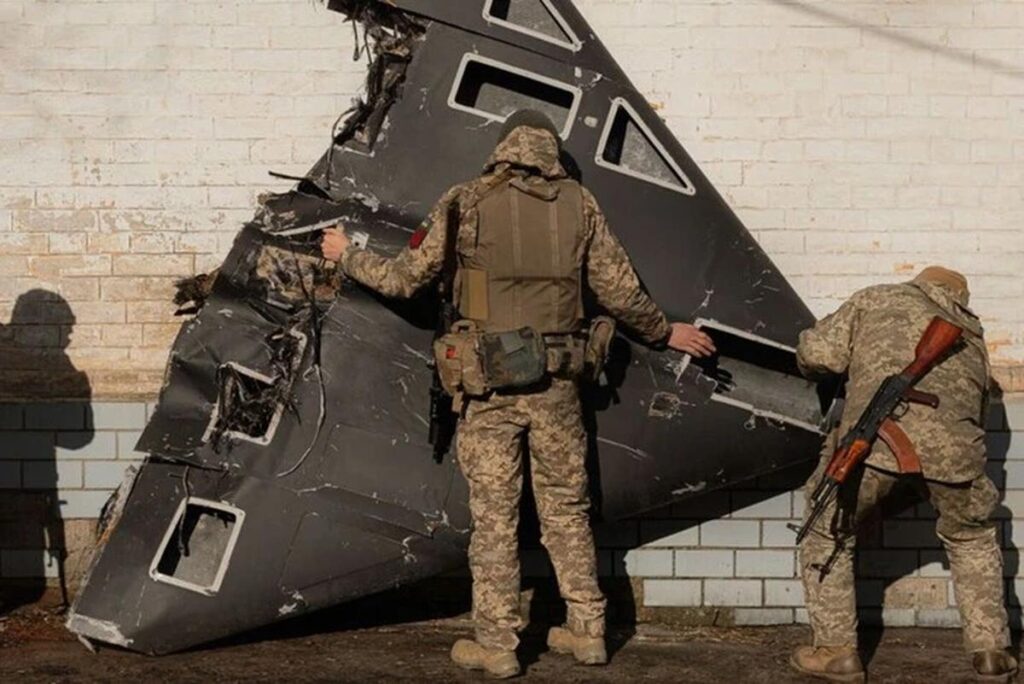
The emphasis on cheaper interceptors reflects one of Ukraine’s central air defense challenges: the cost imbalance between relatively inexpensive Russian drones and traditional surface-to-air missiles used to shoot them down.
Officials say the goal is to reach a sustained interception rate of up to 95% for incoming aerial targets, while reducing the cost burden on existing air defense systems.
Private sector expands role in air defense
Fedorov also pointed to the growing role of private-sector involvement in Ukraine’s air defense architecture. He said 27 companies from across the country are now participating in an experimental program supporting “private air defense” units, operating in coordination with the Air Force.
Two of these units, in Kharkiv and Odesa Oblasts, have already entered operational duty and claim to have destroyed around 20 Russian drones, including reconnaissance UAVs and Shahed-type attack drones.
The program includes training, procurement of interceptor drones, electronic warfare systems, radar equipment, and other tools, as well as limited access to weapons from military stockpiles under Air Force coordination.
Ukraine has also previously reported testing faster interceptor systems capable of engaging newer “jet-powered” Shahed variants, which Moscow is increasingly deploying in strikes against Ukrainian territory.
Read also
-
“Point of no return”: Special tribunal for Russia’s war targeting leadership moves forward after 37-country agreement
-
Russians published footage of a drone striking a UN convoy in Kherson. UN say they “don’t know” who did it.
-
Ukraine’s new AI-powered laser “Tryzub” can burn holes in Shaheds from 5 km away