
KPMG’s Summer Friday half-day rollback signals deeper woes for Big Four giants
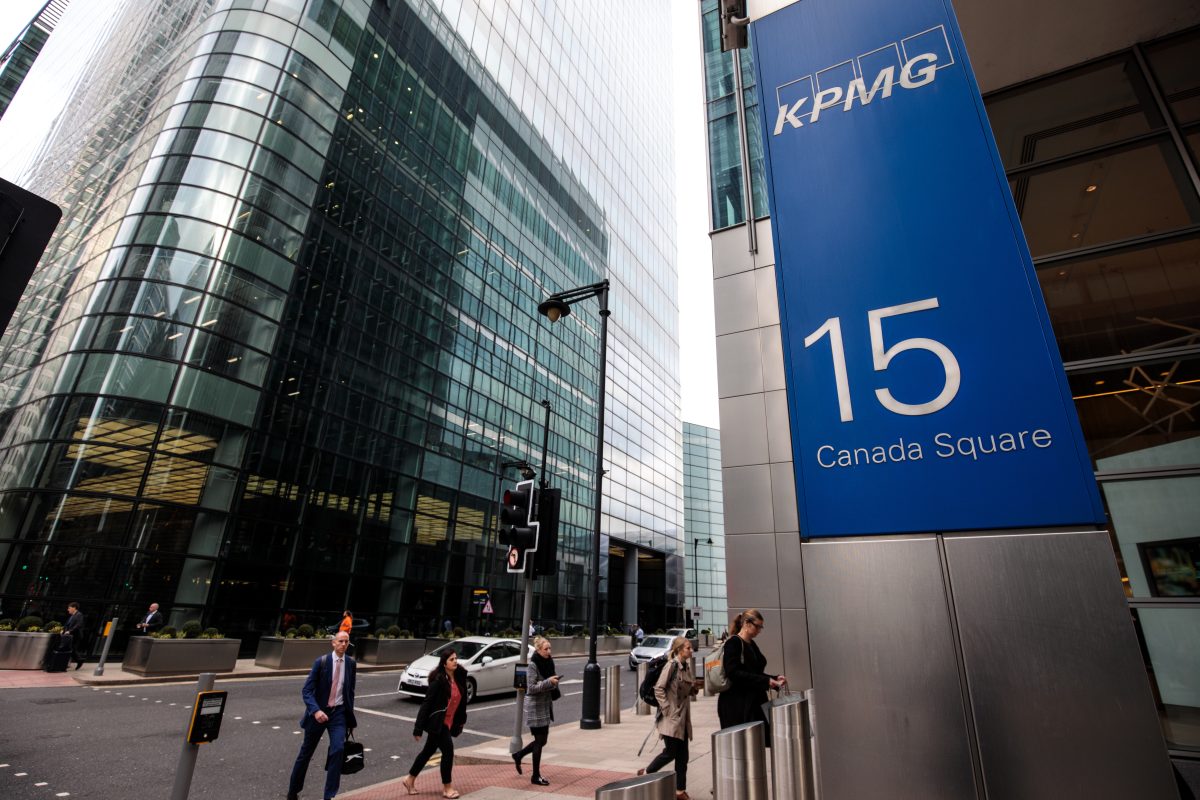
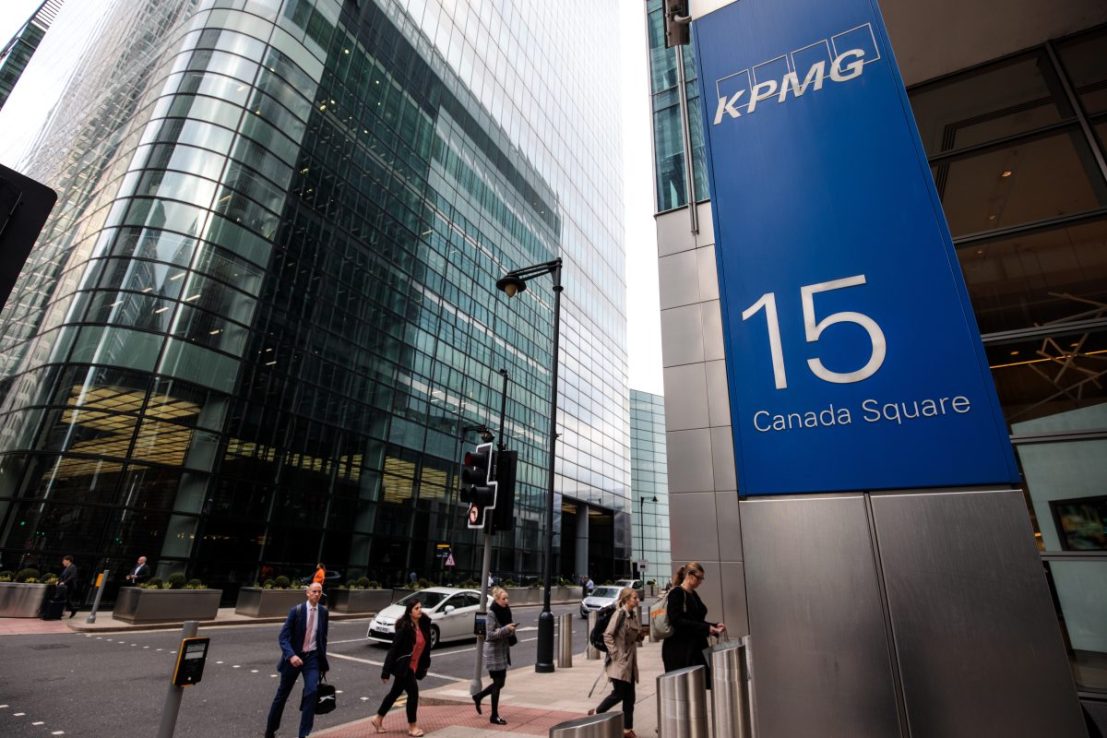
Big Four giant KPMG’s removal of its Friday early finish for employees is affecting branding and souring the mood among staff, who may see this as a signal to reconsider a career at the firm.
Time spent working at a Big Four giant was once a prized bauble to list on a CV. But with layoffs, slow promotions, and KPMG dropping even its Summer employee perk, the mood is souring.
Last week, KPMG made headlines after revoking a key employee benefit: letting staff clock off early on Fridays over the Summer.
The firm introduced the policy in 2021 as a perk for staff during the Summer, when the City is quieter, allowing them to take two and a half hours off each week. But with margins tightening at the firm, it decided to cut the benefit.
Discussions among staff on online forums, such as Reddit, show a venomous reaction to the roll-back. One user said the policy, which was “one of the only visible incentives for colleagues” has been removed “when morale is already through the floor”.
Another user said: “It was something I did look forward to in the Summer. I think a lot of people are unhappy about it,” whilst another user said that the perk being cancelled “doesn’t surprise me given the layoffs.”
It was highlighted by another user that teams at the Big Four giant have taken it upon themselves to create their own Summer hours incentives. “A lot of teams are deciding to do informal jump starts anyway.”
The firm’s closest competitor, PwC, has a similar early-finish policy on Fridays in the summer, but the firm has not revoked its benefit for its staff.
A spokesperson for PwC confirmed the firm will run its policy again from 20th July to 28th August, during which staff can condense their working week to four and a half days, finishing at lunchtime on Fridays.
Whilst a PwC policy introduced in 2022 allowed staff to take this benefit over June, July, and August, a total of 12 weeks, that timespan has now been trimmed to 6 weeks.
EY and Deloitte don’t have these policies in place. However, a spokesperson for Deloitte highlighted that it has a hybrid/flexible working policy, which includes a focus on hobbies.
Firms reviewing all corners of the business for cost savings
“Currently in the professional services sector, volatility is making growth harder to forecast and margins are being squeezed, by factors including rising costs and investment in AI,” Emma Carroll, a consultant at Source Global Research, told City AM.
She added, “Firms are having to review all aspects of their operating models to remain competitive, and that means everything from how they are structured and levels of recruitment through to their employment policies.”
This latest move by KPMG comes after it was revealed that it was set to axe more than 500 staff in the firm’s latest redundancy round. Those affected include 440 assistant manager roles in the audit business (Grade D) and 120 roles across the advisory arm. This will impact roughly 6 per cent of the division’s 7,100 employees.
City AM reported in May that there was uproar among staff over the firm’s handling of communication about these layoffs. Staff said there have been complaints of a lack of communication during what was deemed to be a ‘mismanaged’ redundancy round.
But KPMG is not the only firm where the economic slowdown and the rapid rise of AI are combining to wreak havoc on the traditional firm structure.
The Big Four have all been struggling with stagnant profits and ballooning headcount since the pandemic boom.
Big Four staff feeling deflated
Round after round of layoffs, alongside poor internal communication and cuts to employee benefits, are not doing any favours to brand image.
James Ransome, a recruitment specialist and partner at Patrick Morgan, told City AM that KPMG’s decision may signal to employees that there are broader internal issues.
“The immediate impact of removing a perk such as Summer fridays is unlikely to trigger large-scale attrition on its own. However, these decisions are often interpreted by employees as a signal about culture, leadership priorities, and the overall employee experience.”
He added that “the broader risk for firms is not necessarily the removal of any single benefit, but the cumulative effect of multiple changes over time.”
“Employees tend to assess these decisions collectively, and if they perceive a consistent reduction in flexibility or support, it can have an impact on engagement, loyalty, and employer brand.”
In addition to KPMG’s brand image being tarnished by removing employee benefits, this may encourage potential applicants to reconsider whether working at the Big Four firm is the right choice.
According to Hadley Whiting, founder of accountancy recruitment firm The Accountancy Recruiters, the news was communicated internally to staff, but without a clear reason as to why it was revoked.
“The staff have received internal communications about it, but they don’t really know why the benefit was removed, other than ‘business needs,” Whiting told City AM.
Whiting said this adds to an onslaught of issues employees are already facing at the firm, leaving staff feeling deflated, including headcount cuts, slashed bonuses, and a less clear career path for newer hires.
“With hundreds of redundancies across audit, slower progress for the newly qualified, reduced bonuses, and now flexibility removed, it sounds like there is just a lot of negativity from associates and managers,” he added.
In a post, Whiting noted, “This is just another nudge toward the door” for those “already questioning whether the Big Four is the right long-term home.”