
Kholodnyi Yar commander: The drone war is won at the contact line, but it is decided in the depth
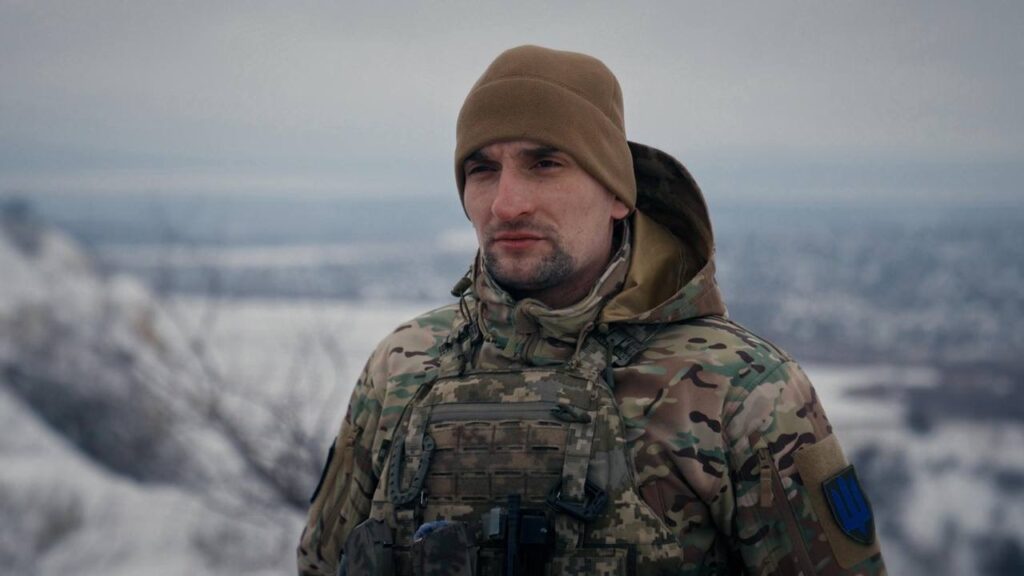
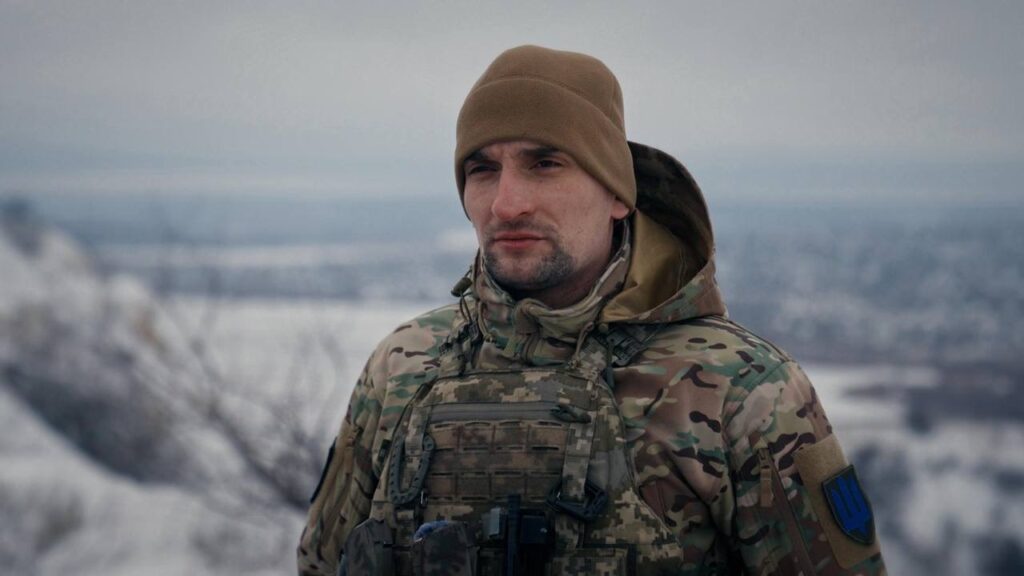
The commander of one of Ukraine's most battle-hardened brigades says drones are the decisive variable in Ukraine's ability to inflict casualties on Russia, and he laid out precisely where the gap lies, according to Army Inform. Shamil Krutkov, commander of the 93rd "Kholodnyi Yar" Separate Mechanized Brigade, says the Ukrainian military needs more drones to disrupt Russia's rear, where it prepares assaults.
Drones and the depth of battle
Speaking on Army FM radio, Krutkov described the front situation as difficult. Russia regularly attacks with infantry and equipment. Ukraine repels the assaults with drones, artillery, and small arms.
His central argument was about reach. Ukraine already handles what Russia sends to the contact line. The problem is everything massing behind it.
"If there are 50,000 Russian soldiers, I think we will kill 50,000 Russian soldiers directly at the contact line. We need to search for more in the depth of the enemy's battle order. To search for them in the depth of the enemy's battle order, we need more drones," Krutkov said.
He put a range on it.
"More drones means being able to destroy more enemies in the depth of their battle order — 5–10 km, depending on how many drones there are, what quality they are, where exactly the enemy is located, and so on."
Ukraine's drone kill zones have already pushed the battle several kilometers into what was once the Russian rear, forcing enemy logistics and reserves to operate under constant threat.
Russia's assault destroyed
Roughly two weeks before the interview, Russia sent 10–15 motovehicles alongside infantry groups at Kholodnyi Yar positions in a combined push in Donetsk Oblast. Every element failed.
"The enemy was essentially fully detected and destroyed — in infantry combat, by FPV drones, artillery, drop drones, and so on. They had no success in any of it," Krutkov said.
Russia has shifted to motorcycles and light vehicles across multiple front sectors as armored vehicle losses mount. Against a prepared drone-artillery defense, the tactic fares no differently. Nevertheless, Russia has recently also tried several armored breakthroughs and predictably failed.