Hungary returns Oschadbank’s armored vehicles damaged—cash and gold remain seized
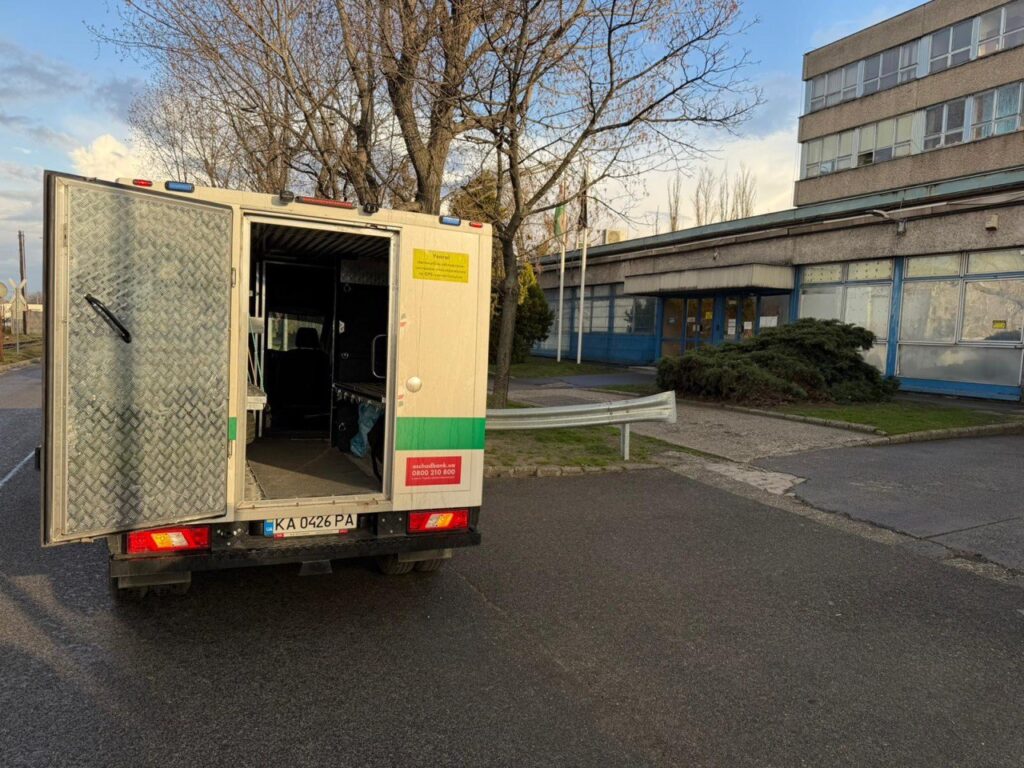

Hungary returned Oschadbank's two armored collection vehicles on 12 March. Both came back damaged, the state bank says.
Legal representatives recorded all malfunctions on-site; a full damage assessment will follow once the vehicles reach Ukraine.
So Budapest released the cars. The $40 million, €35 million, and 9 kg of bank gold—funds belonging to Ukrainian citizens and businesses—were kept.
By returning the vehicles while keeping the cash, Hungary has implicitly acknowledged Oschadbank's ownership claim. Yet it has offered no legal basis for the seizure.
President Volodymyr Zelenskyy characterized Hungary's conduct as "banditry." The National Bank of Ukraine went further, calling it "international blackmail."
Oschadbank will pursue recovery through legal channels. It has also commissioned an independent international audit of all contractual relations.
"We will not return the money to them." —Hungarian Construction and Transport Minister János Lázár, cited by European Pravda
What Hungary seized on 5 March
On 5 March, Hungary's National Tax and Customs Administration (NAV) stopped two Oschadbank armored vehicles. The convoy was carrying funds from Raiffeisen Bank International AG to the Ukrainian state bank.
NAV also detained the seven-person collection team alongside the cargo—staff with between 3 and 21 years of experience at the bank. Ukraine secured the collectors' release by 6 March. The valuables did not follow.
Oschadbank maintains the transport carried a valid Ukrainian state license and complied fully with European customs procedures. Raiffeisen Bank confirmed it provides officials with extensive information about its cash-management operations.
Hungarian authorities hospitalized one collector after interrogation. He had received no medical assistance until he lost consciousness.
Hungary and Ukraine: a deepening rift
The Oschadbank seizure did not emerge from a vacuum. Hungary's Construction and Transport Minister Lázár confirmed the operation was deliberate. He linked it to the Druzhba pipeline dispute: Russia bombed it in January, Ukraine suspended transit, and Budapest wants it restored.
Orbán blamed Kyiv and deployed troops to the Ukrainian border in response.
Yet the provocations have a longer history. For eight years, Budapest has used a cycle of manufactured crises in Zakarpattia to trigger every major veto on EU support for Ukraine.
Péter Magyar's TISZA party now leads Orbán's Fidesz 55–35 in polling. Meanwhile, Russian military intelligence has reportedly arrived in Budapest ahead of the 12 April elections. Each new confrontation with Kyiv does double duty: leverage abroad, votes at home.
Read also
-
How you rob a bank convoy in the EU: Be Hungary, bring an APC and machine guns, deport bank couriers, keep cash and gold as “evidence”
-
One Oschadbank courier hospitalized after Hungarian interrogation, NBU chief says
-
The fabricated crises in Transcarpathia that help win Hungarian elections—and block Ukraine’s path to Europe.
-
Putin sends election fixers to Budapest to keep Orbán’s Kremlin veto alive
-
Hungary will survive without Russian oil—but Orbán’s regime will not