
He flew from Peru to Moscow for work. Russia took his passport and sent him to Ukraine.
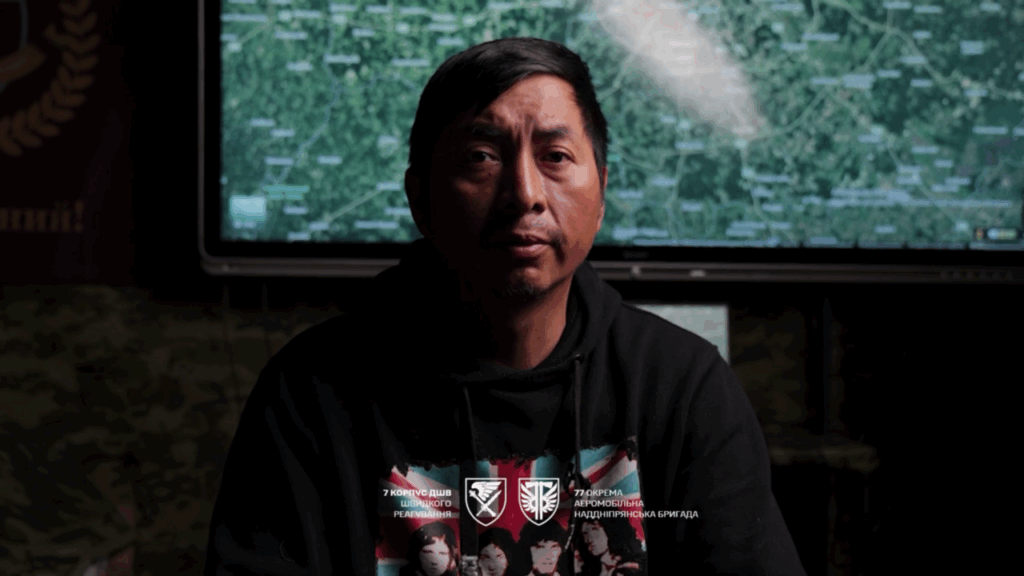

Ukraine’s Air Assault Forces reported that a 41-year-old citizen of Peru was allegedly coerced into serving in the Russian military after being lured to Moscow with a job offer.
The claim highlights what Ukrainian officials describe as a broader pattern of Russia recruiting foreign nationals through deceptive schemes and deploying them to frontline combat roles with limited training and support.
From job offer to front line
In an interview with the 77th Separate Airmobile Brigade, the man said he had traveled to Russia as a tourist after being promised official employment and a high salary in Moscow. Instead, he alleged he was abducted, had his documents confiscated, and was threatened with imprisonment unless he signed a contract with the Russian armed forces.
He further claimed that foreign recruits are used as low-cost manpower on the front lines, often without proper preparation or equipment.
Wounded and rescued
The man said he was later sent into a combat zone, where he sustained injuries. He managed to leave his position under dangerous conditions and eventually reached Ukrainian lines.
Ukrainian paratroopers from the brigade’s 2nd battalion said they provided him with medical assistance, food, and evacuation after he reached their positions.
In the interview, he also urged citizens of other countries not to trust similar job offers.
A global pattern
Ukraine and independent investigations have previously reported that Russia has expanded efforts to recruit foreign fighters since 2022, targeting individuals from Latin America, Africa, South Asia, and the Middle East.
Many are drawn by promises of high salaries, fast-track citizenship, or legal employment, but later report poor conditions, lack of training, and being sent to high-risk sectors of the front.
Some cases have involved intermediaries or online ads that obscure the military nature of the work, while others describe more direct coercion after arrival in Russia. Rights groups and media reports have documented complaints from foreign recruits about withheld pay, confiscated documents, and pressure to remain in service.
Analysts say this reflects ongoing manpower shortages and an effort to avoid politically sensitive domestic mobilization.
Read also