
Gunners can carry a small car’s weight in shells every day — Ukraine fields exoskeletons on the Pokrovsk front
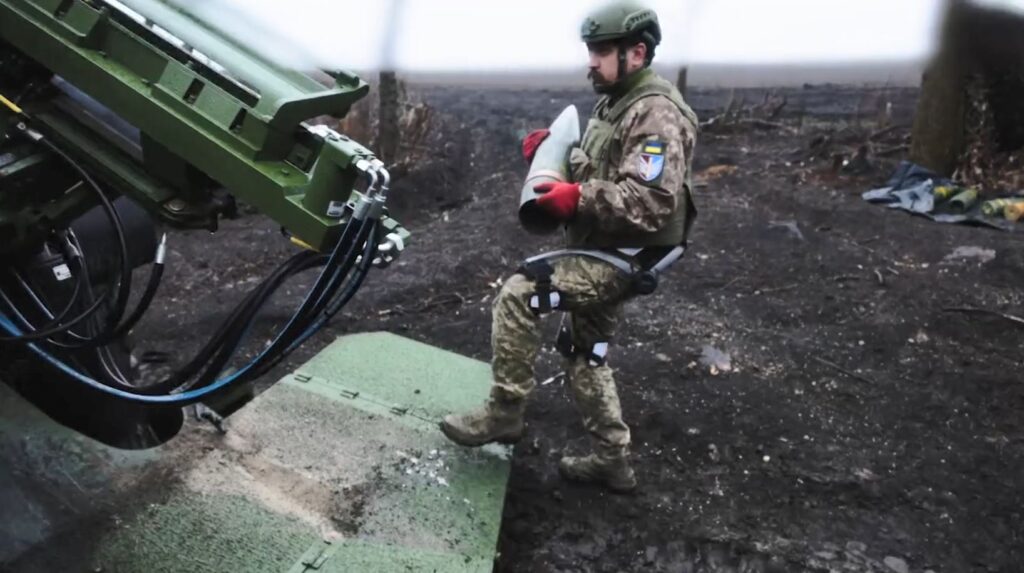

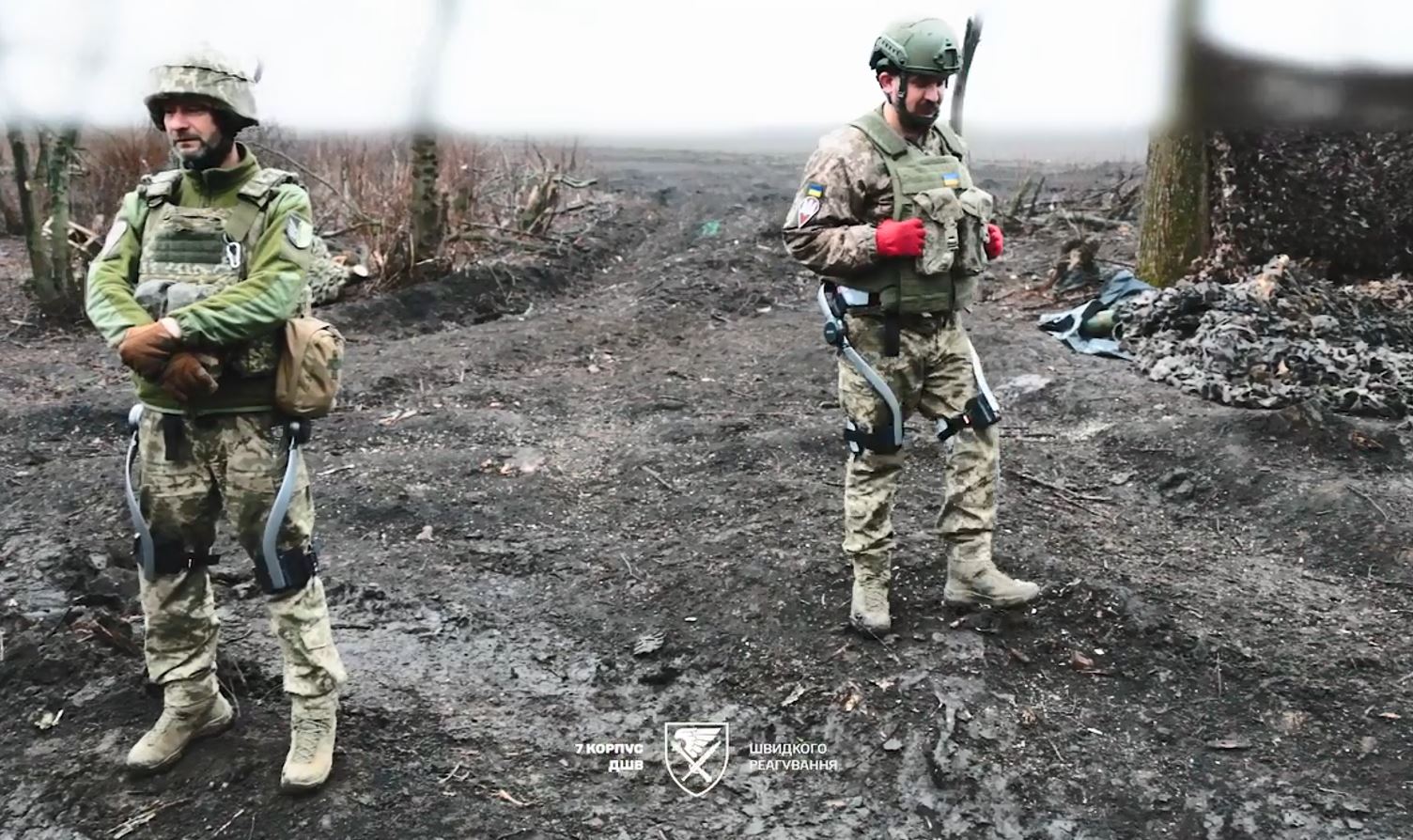
Ukraine's 7th Rapid Reaction Corps of the Air Assault Forces (DShV) of the Armed Forces became the first unit in the country's Defense Forces to deploy exoskeletons in real combat conditions, the corps reported. Test samples are already in use at logistics and combat positions in the Pokrovsk direction, where the 147th Separate Artillery Brigade of the DShV is conducting trials amid the ongoing Russian assault.
First in Ukraine's Defense Forces: 7th Corps deploys exoskeletons at Pokrovsk
Test samples of the exoskeleton reached units of the 7th Rapid Reaction Corps and are being evaluated both in logistics operations and directly at firing positions, the corps reported. The 147th Separate Artillery Brigade, part of the Corps and operating in the Pokrovsk direction, is running the trials.
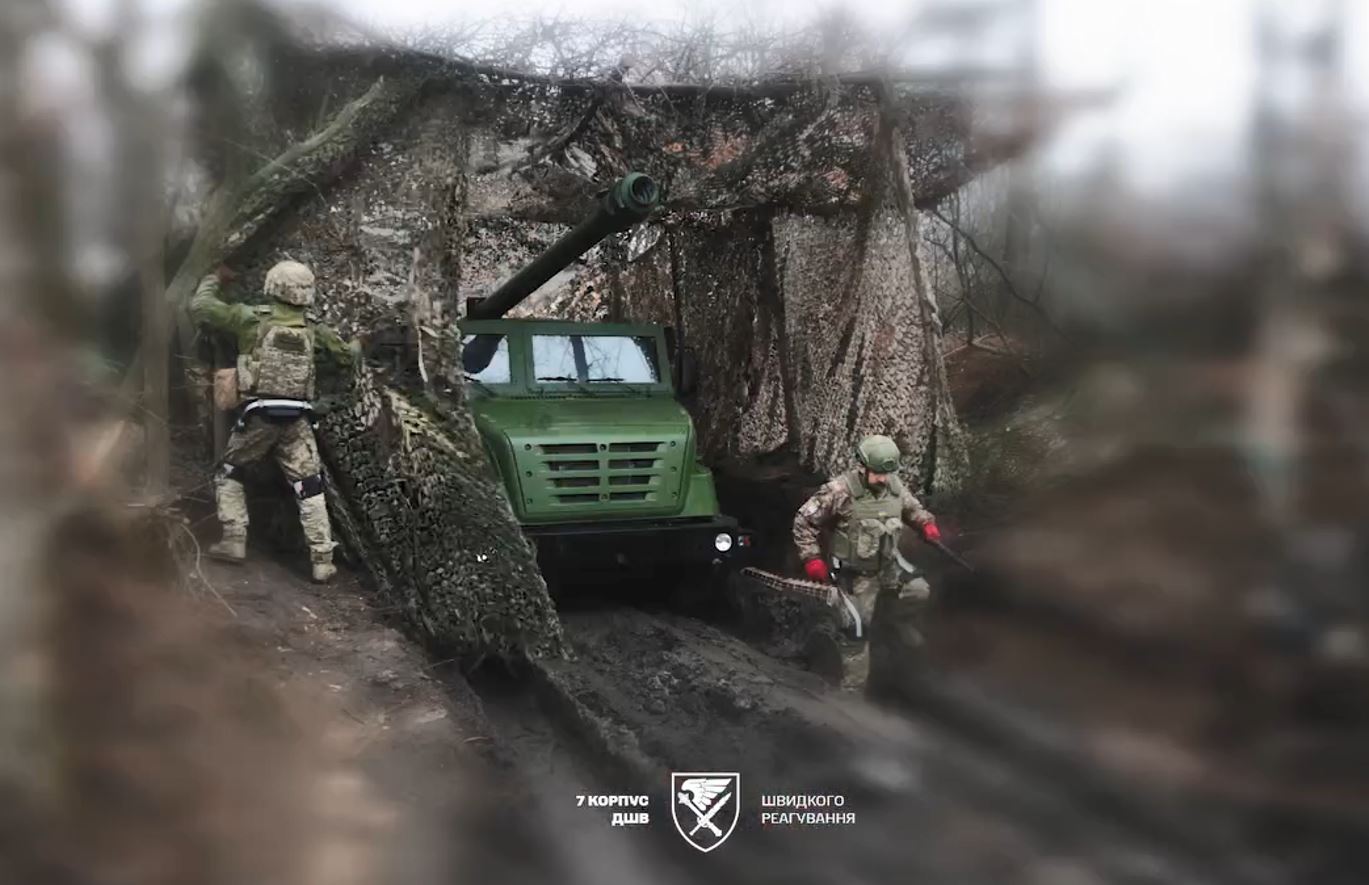
The device is a leg exoskeleton built from rigid arcs with hinged joints at the thighs and knees, weighing 2 kg and made from aluminum alloy. According to the corps's video, it has 10 intelligent operating modes, operates over a temperature range of –10°C to 60°C, reaches an assisted movement speed of up to 20 km/h, and supports assisted walking for up to 17.5 km. Physical load on leg muscles drops up to 30%. The system also uses AI movement analysis, according to the shared video.
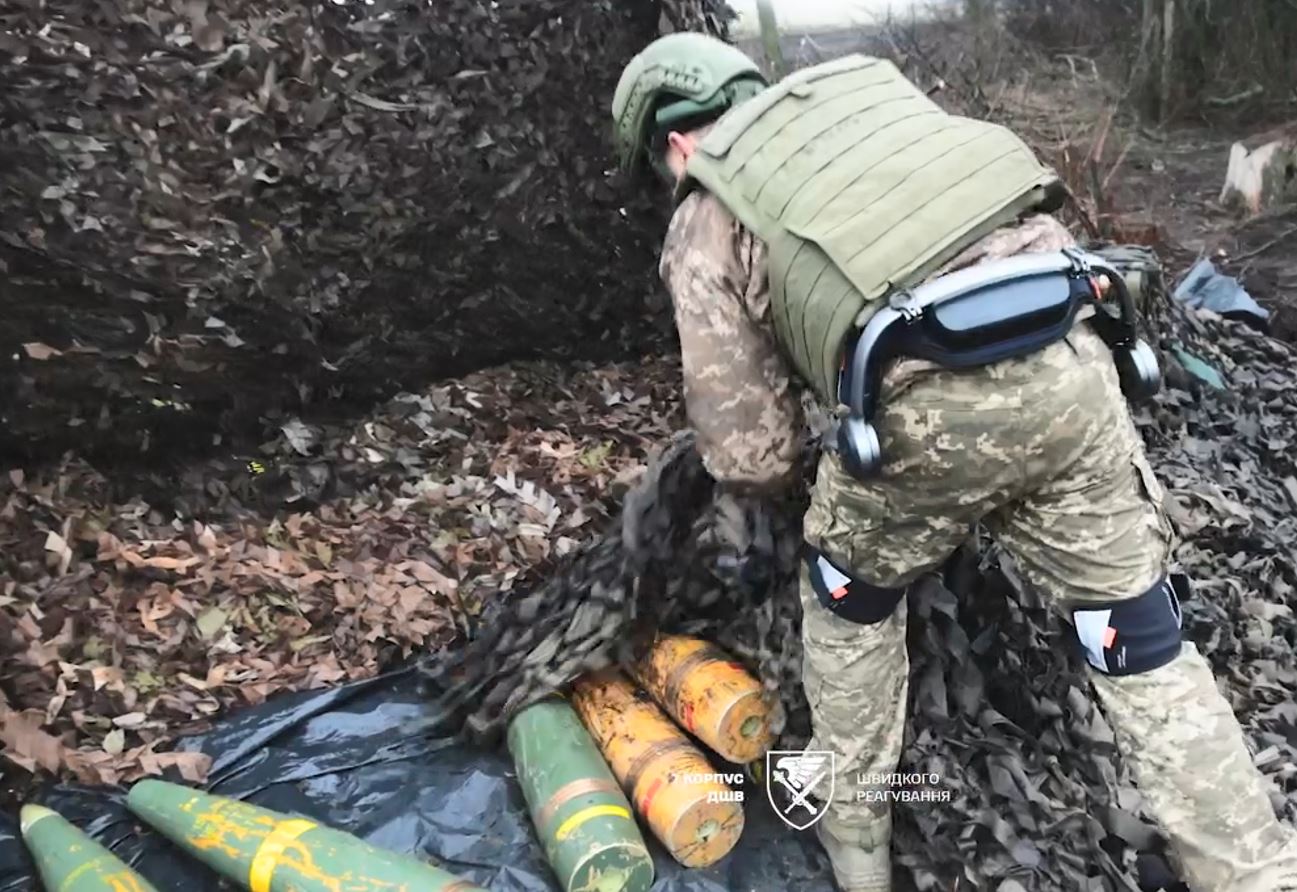
Control runs through a mobile app allowing custom settings, including AI mode and power adjustment, though basic button controls work without a phone, 7th Corps press officer Serhii Lefter told Ukrainska Pravda. The device folds into a compact case for transport and storage.
What the trials are solving: 1,200 kg of shells a day
Colonel Vitalii Serdiuk, head of the Rocket Forces and Artillery Directorate and deputy commander of the 7th Corps, outlined the physical demands the technology is designed to offset.

"Every day, artillerymen endure high physical strain. They carry 15 to 30 shells weighing [about] 50 kg each. Based on the test results, they get less tired, work faster, and maintain combat readiness longer," Serdiuk said, according to the Bridage's post.
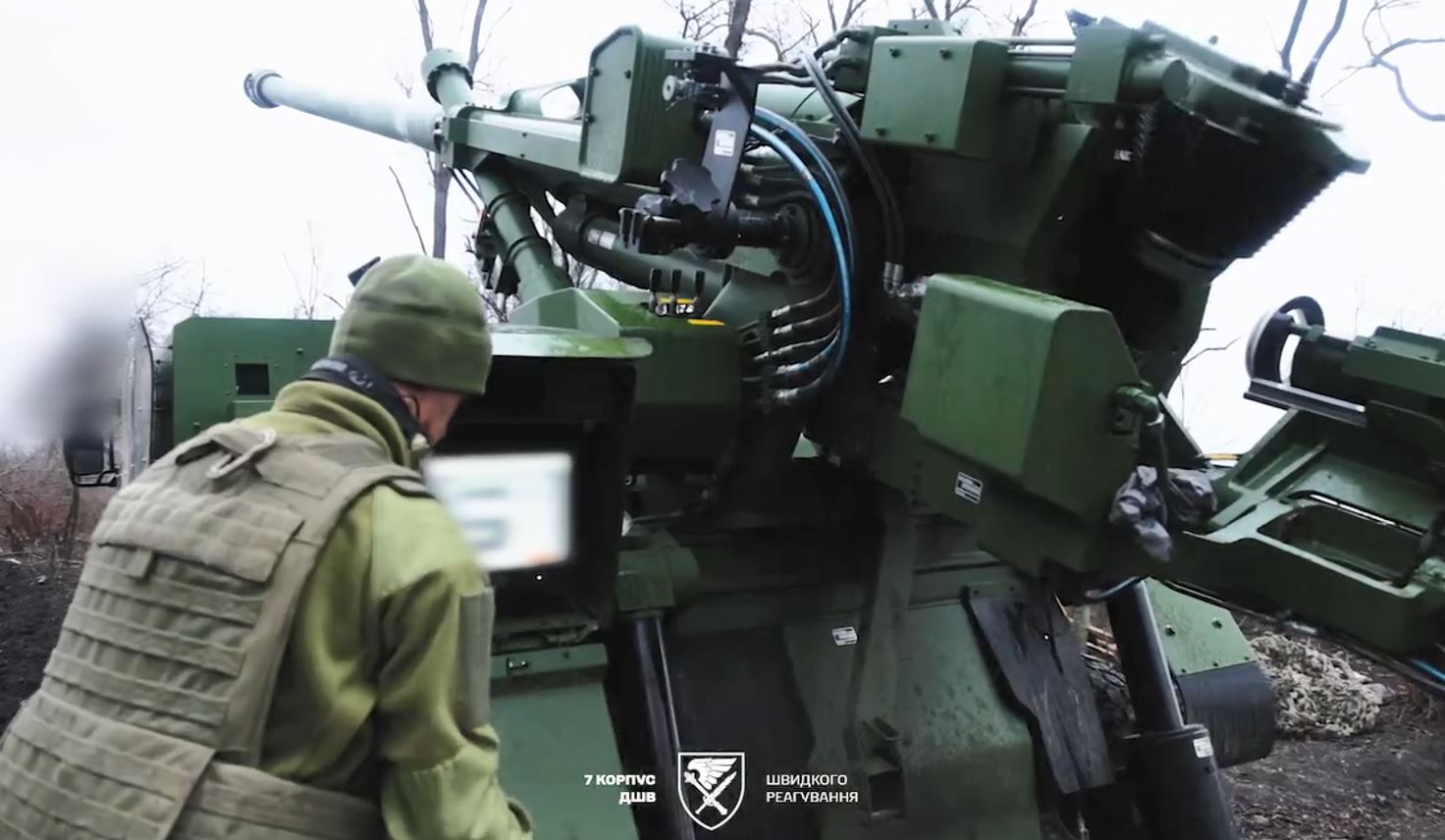
The corps's own video shows the daily load for the 147th Brigade's crews as 1,200 kg — 30 shells at 45 kg each. That burden is particularly acute for Caesar self-propelled wheeled howitzer crews, whose loading process places heavy demands on personnel, Defense Express noted.

The exoskeleton is expected to be even more useful for systems without a dedicated loader, such as the Bohdana-BH towed 155 mm howitzer, where shells must be lifted high for reloading.
The 147th Brigade's post from the Pokrovsk direction described the operational stakes:
"Caesar crews destroy the enemy even on approach, and every minute and every shot matter."
"Techno-air-assault": the doctrine behind the deployment
The 7th Corps framed the trials as part of its "techno-air-assault" concept — a systematic approach to replacing excessive physical demands on soldiers with engineering solutions.
"We are easing human overexertion with technological solutions," the corps stated.
The corps has applied the same philosophy to other systems — it also trains soldiers to repel Russian FPV drone attacks using virtual reality — VR headsets and a specially built pump-action shotgun model.
Read also
-
ISW: Ukraine’s drones pressure Russian command at every level — tactical, operational, strategic — likely disrupting spring offensive
-
Ukraine built elite unit from scratch in 2022. It just cut off Russian forces on 2026’s most decisive front
-
One radar to rule them all: Ukraine’s CD-T10 spots everything from FPV drones to guided aerial bombs inside a 15 km dome