
Give me home Euros over World Cup, but is it really worth £557m of taxpayers’ money?
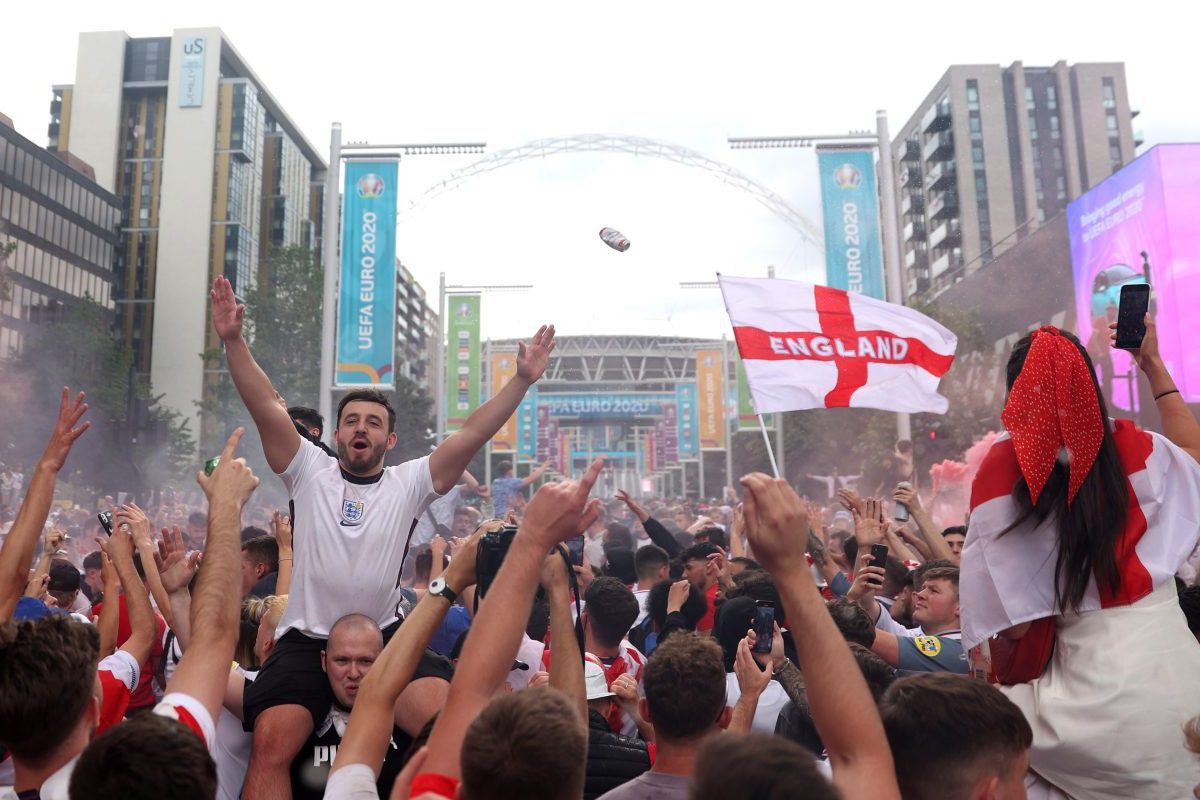
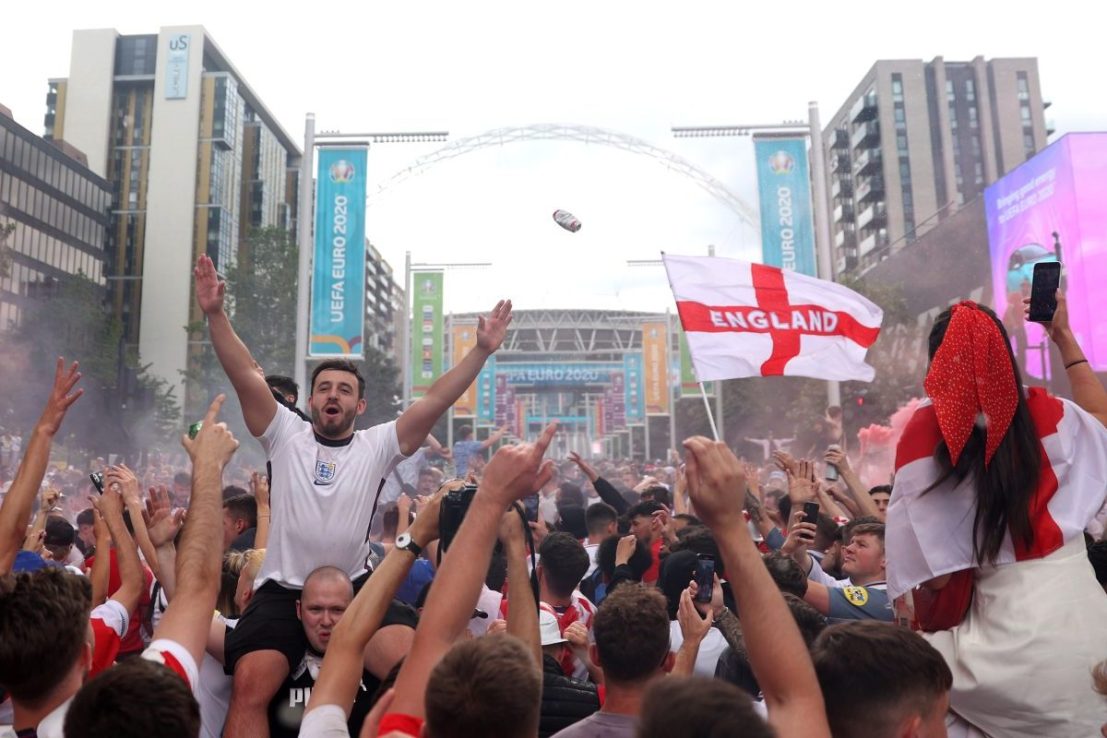
I’m sure I’ll enjoy much of the 2026 World Cup, provided I can stay awake late enough, but I’ll approach Euro 2028 with far greater enthusiasm.
Home nations competing on home soil in British Summer Time and with advertisers and broadcasters whipping up interest among the general populace. What’s not to like, other than violent overreactions to England defeats and jibbing at Wembley? I might even be able to source a ticket that’s not been dynamically priced.
The Euros had better deliver for the British public as they will be funded in part by £557m of investment from the Treasury, topped up to a total £740m by monies from the administrations in Edinburgh, Cardiff and Dublin. That’s a hefty investment in 51 football matches which, let’s face it, are pretty much guaranteed to sell out regardless.
An economic benefit multiplier of around 6x is being claimed as justification by DCMS and its UK Sport agency. Whether or not you believe in a projected £3.6bn boost to the UK and Ireland economies from the Euros, it’s surely only reasonable to ask whether this might still be achieved whatever the level of public investment.
Instead, the question has gone unasked let alone unanswered. Instead, there is an almost uniform acceptance that big is beautiful when it comes to hosting sporting events.
Nowhere has that been more evident than in the House of Lords last week. The upper chamber of the UK’s parliament was debating a major sporting events bill that is intended to smooth the way for future bids to bring global competitions to Britain.
When the bill passes (as it surely will, absent a government collapse), the authorities will be able to protect the commercial interests of the international bodies that own sporting events, prevent secondary sales of tickets, and implement temporary transport solutions demanded by the likes of the International Olympic Committee and Fifa.
The debate in the Lords lasted four hours. I’ve only sped-read the transcript in Hansard, but that was more than enough to gain a sense of what must have been an excruciating watch as peers attempted to out-do each other in parading their sporting credentials, lauding the benefit of major events, and attempting to shoe-horn their own pet interests into the discussion.
Had peers been currying favour with local constituents, I guess this may all have been understandable, but these unelected legislators have none. The bill’s aims are straightforward and uncontroversial. Widen debate to Britain’s event hosting strategy by all means, but then there is surely an obligation to scrutinise not grandstand.
As it is, the official record shows that there were calls on behalf of Wales, the north of England, rugby league, Northern Ireland (not a Euros host), disability sport, the arts, a young man facing a stadium ban for homophobic chants directed at Chelsea fans, gay footballers afraid to come out, and annual events such as Wimbledon and Formula 1’s British Grand Prix that are not covered by the bill, as well as a complaint about the diminishing amount of sport on the BBC and the whipping of many other hobby horses besides.
That and a host of anecdotes – a dropped relay baton by Lord Burghley among them (which, as it happens, doesn’t seem to stand up to Google scrutiny).
The most toe-curling, sugary contribution came from former Paralympian Lord (Chris) Holmes of Richmond:
I congratulate the Minister on the way she introduced the Bill. In its title we already have part of recent sporting heritage. If we always refer to the Sporting Events Bill by its acronym, SEB, that will give the right salute and respect to our colleague Lord Coe, who did so much in leading the London 2012 Olympic and Paralympic Games. Lord Holmes
The economics of event hosting are such that £557m of public money could bring hundreds of less grandiose international competitions to Britain across a wide range of Olympic and Paralympic sports in the coming years. Each individually might have a 6x benefit multiplier or similar.
Does football need this one-off injection of funds to make the Euros happen, or would the nation be better off promoting a far broader spread of sports in the pursuit of both (domestically) a healthier population and (internationally) the “soft power” so beloved of politicians?
This summer sees the Commonwealth Games in Glasgow and the European Athletics Championships in Birmingham. Neither is dependent on lavish public funding. Instead, from differing necessities, they are being delivered through innovative operating models that are tight on costs and rely more heavily than usual on commercial backing.
Each of these major events will provide lessons that could inform a sporting events strategy for Britain that is far more cost-effective and flexible.
UK Sport is commissioning a study into the merits of a north of England bid to host an Olympics. I fear that if and when Parliament comes round to debating it, the study will reflect the expensive traditional approach to bidding and hosting. And that the Lords will lap it up regardless.
You can read the Hansard transcript of the Lords debate here.
Living after midnight
The narrative around England’s first Test against New Zealand has focused on the dodgy wicket. But how about the nous of the marketing team at Surrey?
A Sunday announcement at Lord’s flagged £5 entry to Surrey’s County Championship match that day for anyone travelling south of the Thames who could prove attendance at the Test via social media pic or ticket screenshot.
A crowd approaching 5,000 in the afternoon suggests Surrey gathered marginal revenue after the Test ended before lunch.
Meantime, Surrey’s groundsmen will be working to produce a better wicket than was in play at Lord’s.
It will be interesting to see if nightclubber Ben Stokes leads the England team out from the Mickey Stewart Members Pavilion onto that pitch next week. What’s a curfew if not a red line?
Ed Warner is chair of GB Wheelchair Rugby and writes his sport column at sportinc.substack.com