Frontline report: Ukrainian spies create multi-country network surrounding Russia to execute its historic Operation Spiderweb
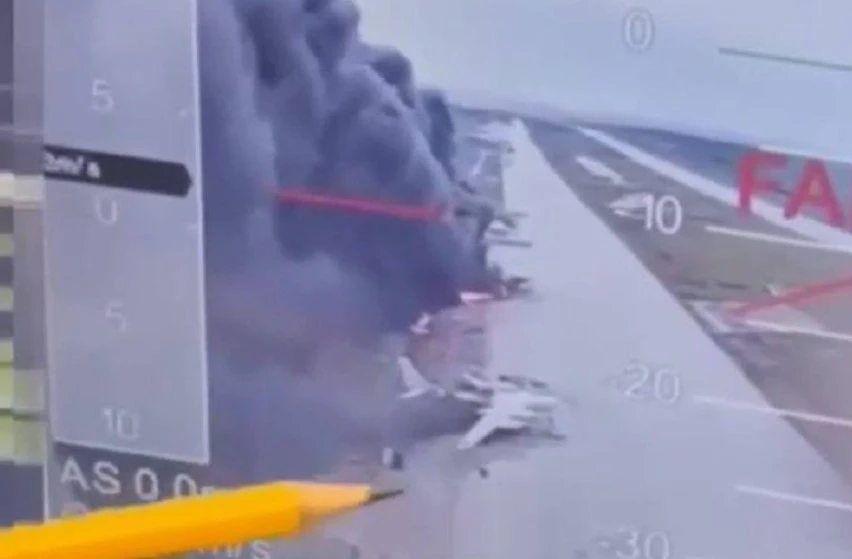
Today, there is an interesting update from the Russian Federation. Here, Ukraine conducted a sophisticated military operation, checkmating Russian security services and dealing a deadly blow to Russian strategic aviation.
Trucks that brought doom
The groundbreaking Operation, codenamed Spiderweb, is a meticulously planned drone assault deep within Russian territory, marking one of the most complex special operations in modern military history.
The goal was clear: to neutralize the Russian strategic bomber fleet responsible for daily missile and bomb strikes on Ukrainian cities and key infrastructure.
Operational logistics showcased exceptional ingenuity. Ukrainian operatives covertly smuggled FPV drones into Russia. Storing them in warehouses, the drones were assembled and placed in specially designed mobile wooden cabins mounted on rented trucks.
These vehicles were then parked by regular drivers near each targeted airbase, which enabled the swift deployment of the drones when their roofs were remotely opened.
Notably, President Volodymyr Zelenskyy personally oversaw the execution, underscoring the operation’s strategic importance.
Zelenskyy emphasized the audacity of the operation by revealing that one of Ukraine’s operational headquarters was located adjacent to a local Russian FSB department, highlighting an embarrassing intelligence failure for Russia.

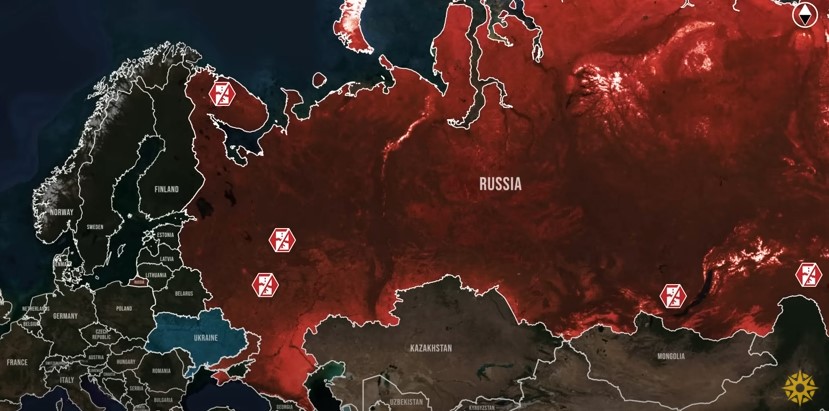
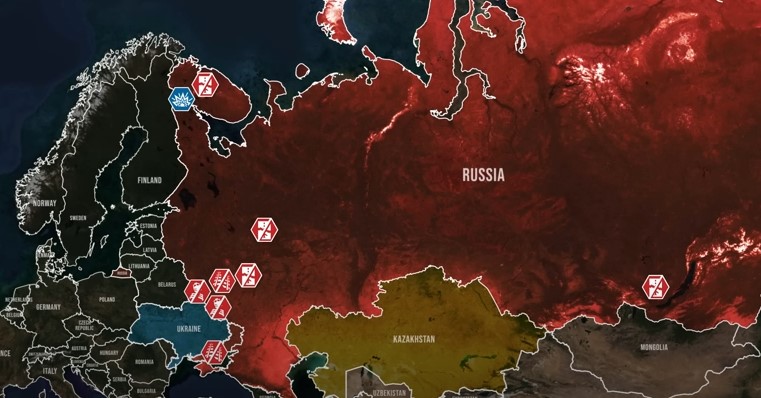
Interestingly, one of the alleged warehouses is right along the border with Kazakhstan, indicating that Ukrainians routed their drone assembly at least partially through third countries like Kazakhstan.
This further implies that Ukrainian intelligence services have established bases not only inside Russia but also surrounding it.
Black wings over Murmansk
Among the targeted airbases was Olenya, located near Murmansk, 2,000 kilometers away from Ukraine. This facility hosted strategic nuclear-capable bombers, including Tu-95MS and Tu-160 aircraft.
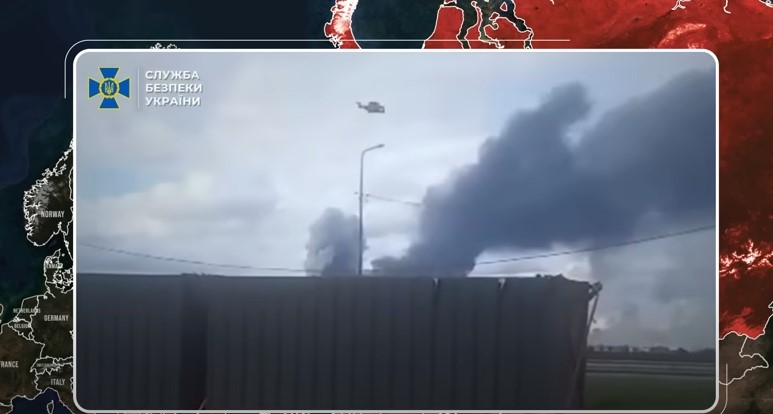
At least ten explosions were reported here, with drones accurately targeting fuel storage and strategic aircraft.
The site, home to numerous Tu-22M3 bombers and various fighter aircraft, suffered substantial damage, with satellite images confirming at least seven aircraft destroyed or severely damaged.
Dyagilevo airbase near Ryazan experienced seven documented explosions affecting its Tu-95MS and Tu-22M3 aircraft. The Ivanovo Severny airbase was also targeted, with reports suggesting the destruction of an A-50 AWACS radar aircraft.

This is a critical blow to Russia’s surveillance capabilities, with half of the Russian AWACS fleet now being destroyed, as Ukrainians previously destroyed 2 of the six other aircraft.
A Russian airbase in the Amur region was also targeted, and even though the strike was reported as unsuccessful at first, satellite data showed later that a Tu-95 plane was destroyed.
The silence of the sensors
The magnitude and sophistication of Operation Spiderweb prompted vehement reactions from Russian military analysts, who described the strike as highly impactful and criticized attempts by Russian state channels to downplay the damage.
They condemned Russia’s inadequate air defenses, insufficient protective infrastructure, and counterintelligence failures that facilitated Ukraine’s devastating attack. As a rare exception to the usual immunity of criticism, prominent Russian military bloggers openly criticized Putin for the failures.
The saboteurs’ diversion
To ensure the safe extraction of its operatives and to divert Russian attention, Ukraine orchestrated multiple simultaneous sabotage operations.

Before the drone strikes, four railway bridges were blown up, two in Bryansk Oblast, one in Kursk Oblast, and another in Melitopol, creating widespread panic and diverting Russia’s security apparatus toward railway infrastructure.
With trains travelling over the tracks as the bridges exploded, this panic and chaos only spread further. Additionally, a strong explosion followed by secondary detonations rocked Severomorsk, the administrative base of Russia’s Northern Fleet, adding further confusion.
The billion-dollar burn
Overall, Operation Spiderweb inflicted immense and irreparable damage to Russian military aviation capabilities. Ukrainian officials stated that over 40 aircraft, representing approximately 34% of Russia’s strategic missile-carrying bombers, were hit, causing estimated losses exceeding $7 billion.
Widely available footage from eyewitnesses, drone recordings, and detailed satellite imagery affirms the official Ukrainian claims, visually confirming the destruction of at least 21 strategic aircraft, including the invaluable A-50 AWACS platform, while the full extent of the damage is still being assessed.
As Russia lost its ability to produce its strategic bombers, it also created panic within the country, successfully destroying the carefully nourished myth of Russian invincibility and devastatingly undermining the Russian nuclear shield.
In our daily frontline report, we pair up with the military blogger Reporting from Ukraine to keep you informed about what is happening on the battlefield in the Russo-Ukrainian war.
You could close this page. Or you could join our community and help us produce more materials like this.
We keep our reporting open and accessible to everyone because we believe in the power of free information. This is why our small, cost-effective team depends on the support of readers like you to bring deliver timely news, quality analysis, and on-the-ground reports about Russia's war against Ukraine and Ukraine's struggle to build a democratic society.
A little bit goes a long way: for as little as the cost of one cup of coffee a month, you can help build bridges between Ukraine and the rest of the world, plus become a co-creator and vote for topics we should cover next. Become a patron or see other ways to support.