Former Bank of England rate-setter to become next OBR chair
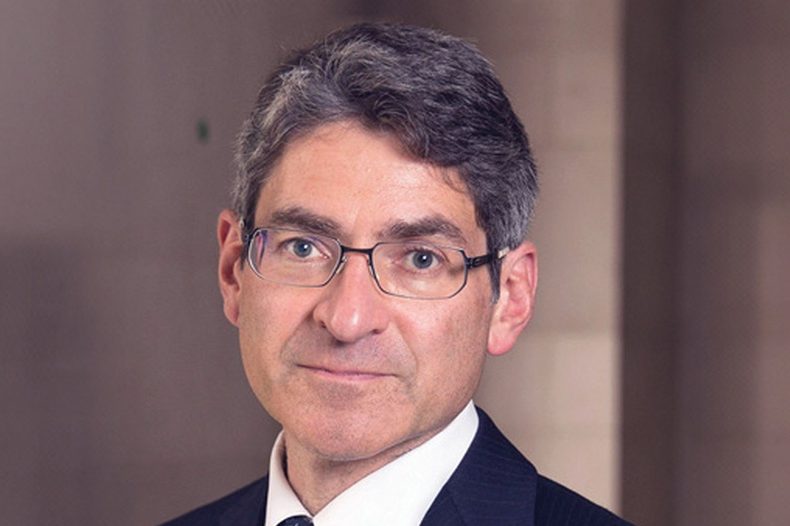
A former rate-setter at the Bank of England and member of City AM’s Shadow Monetary Policy Committee is set to become the chair of the Office for Budget Responsibility, the fiscal watchdog which has come under pressure from MPs and inadvertently leaked last year’s Budget.
Jonathan Haskel, professor of economics at Imperial College London, will take the vacancy at the helm of the OBR subject to approval from the Treasury Committee.
Haskel was known as a hawkish interest rate-setter when he was an external member to the Bank’s MPC between September 2021 and August 2024. He has also taken part in City AM’s Shadow MPC over the last year.
The leading economist is set to make key judgment calls on fiscal policy just as Chancellor Rachel Reeves looks poised to be replaced under a likely Andy Burnham government.
Haskel said he was “honoured” to be nominated as the chair of the independent body, adding that he was looking forward to leading the body that “plays an indispensable role in maintaining the transparency and integrity of the UK’s public finances”.
Reeves said Haskel was “exactly the right person to lead the OBR”.
OBR chair to face his critics
He will take over from Hughes, who resigned last year after the Budget was found on a web link by a Reuters journalist before Reeves had delivered her statement in the House of Commons.
A report found that the OBR did not have sufficient cyber security arrangements in place to prevent the leak.
Reports have suggested that Hughes has provided advice on fiscal policy to Burnham, who is likely to become the Prime Minister after Sir Keir Starmer announced his resignation. Hughes has not responded to requests for comment.
Burnham’s ascent to Downing Street is set to lead to a change in Chancellor. Haskel could be set to face a collision course with Burnham’s team, who have been critical of the OBR’s economic modelling.
Former transport secretary Louise Haigh, who led campaigns for Burnham during the Makerfield by-election, slammed the “economic straitjacket” at the fiscal watchdog and blamed economists for “ignor[ing] the wider benefits of progressive taxation or public ownership”.
She also said the body had “morphed into a gatekeeper of orthodoxy” while backing a move to double fiscal forecast windows from five years to 10 years.
Haskel may also have to tweak fiscal forecasts to account for a possible change-up in fiscal rules, with former Treasury minister Jim O’Neill, who is expected to work with Burnham on fiscal devolution, calling for the public debt rule to be “explored”.
The next major event coming for the OBR is the publication of a report on the long-term risks facing public finances.
Last year, OBR chiefs suggested the triple lock pension was “unsustainable” while Hughes said “promises made are constantly not kept”.