Forbes: Russian army deploys 1950s-era BTR-50s as newer vehicles become scarce
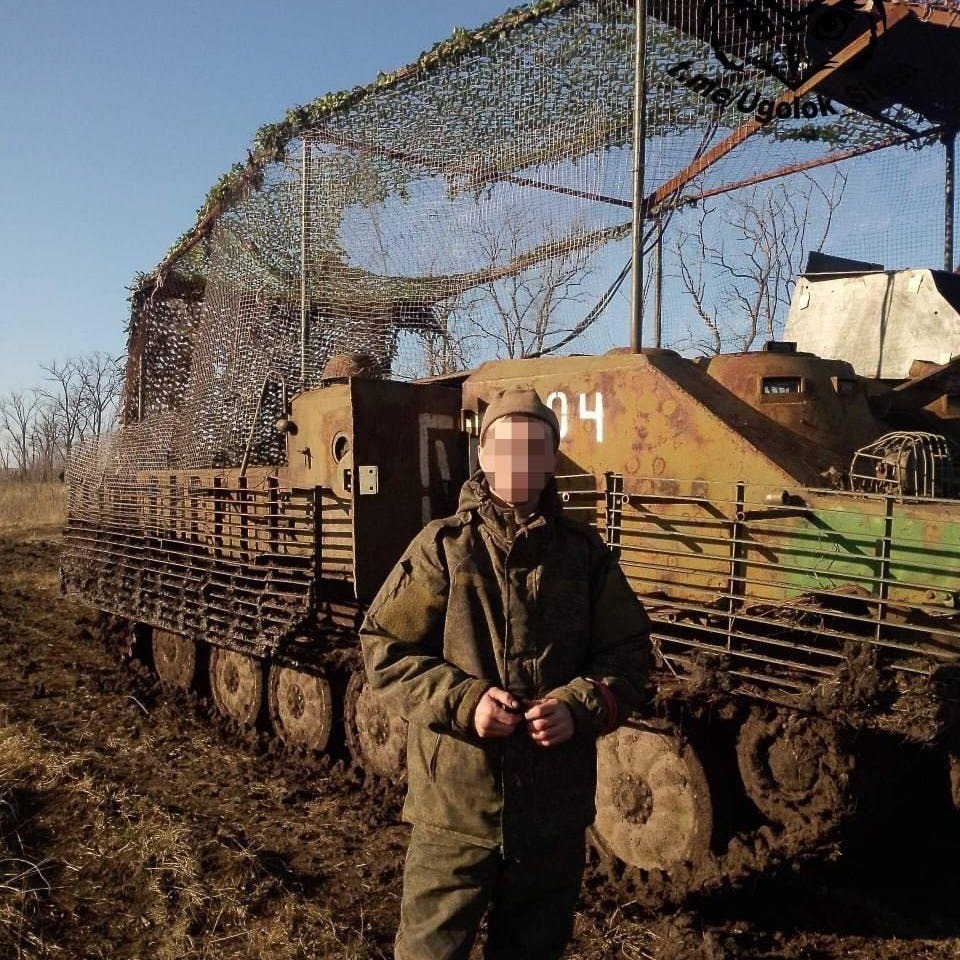
Russia has begun deploying 1950s-era BTR-50 armored personnel carriers to Ukraine as its stocks of modern combat vehicles continue depleting, Forbes reports.
The BTR-50, which entered service in 1954, is a 15-ton diesel-powered armored tractor carrying two crew members and up to 20 passengers, typically armed with a heavy machine gun. The vehicle served as the Soviet army’s main fighting vehicle until 1966.
Independent analysts identified significant activity at Russia’s 1295th Central Base of Repairs and Storage of Tanks in Arsenyev, Russia’s Far East, where technicians have reactivated dozens of vintage vehicles.
The reactivated fleet, equivalent to two battalions, provides all-terrain transport capacity for hundreds of troops. However, at least 10 BTR-50s have already been lost in combat, according to tallies by the Oryx Blog open-source intelligence project.
Surviving vehicles continue operating along the 800-mile front line, many featuring modifications including new turrets and additional armor protection against explosive drones. One observer described these vehicles as “museum pieces.”
While the web is flooded with AI-generated images of non-existent Russian futuristic tanks, museum pieces like these two BTR-50, in service since 1954, are increasingly being spotted on the front lines. https://t.co/9qARI0Lh46 pic.twitter.com/qH8VzSvZj4— Special Kherson Cat 
Related Posts