
FBI’s renewed push in DC pipe bomb case shows how fresh eyes can change a stalled investigation
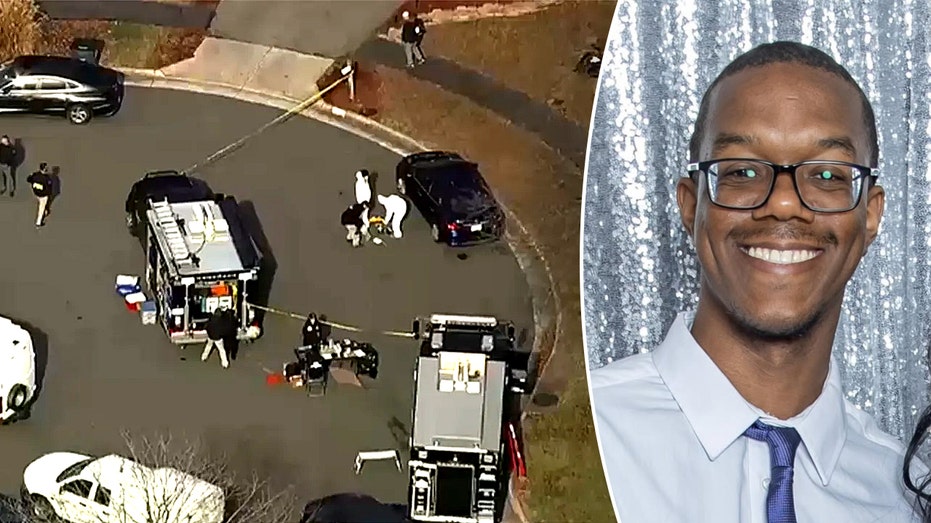
Federal agents searching the Virginia home of Brian Cole Jr., accused of planting pipe bombs in Washington on Jan. 5, 2021, carried out a step-by-step operation this week that indicated investigators have re-energized a case that had seen little movement for years.
Cole was arrested in Woodbridge, Virginia, last week after federal investigators identified him as the suspect accused of planting the pipe bombs on Jan. 5, 2021, near the Capitol complex, the Republican National Committee (RNC) and the Democratic National Committee (DNC). His arrest marked the first major break in a case that had been largely dormant for years.
Retired FBI Special Agent Jason Pack, who previously helped lead Evidence Response Teams, told Fox News Digital the search followed the standard sequence used in explosive investigations, beginning with hazard clearing before evidence work. He said the careful pace shows investigators treating the case as if it had just happened.
The operation began with the standard safety sweep used in federal explosives investigations.
CNN'S JAKE TAPPER ISSUES CORRECTION AFTER CALLING DC PIPE BOMB SUSPECT A 'WHITE MAN'
"Federal agents are following a deliberate and familiar sequence as the search of the Woodbridge residence continues," Pack said. "The presence of explosive ordnance disposal technicians, bomb techs and specialized K-9 teams indicates that the first priority is safety."
He explained that investigators must first clear the property of possible explosive hazards to protect personnel and preserve the scene before they can begin collecting evidence.
One of the clearest indications of the work underway came from the metal paint cans agents carried out of the home.
FBI DIRECTOR SUGGESTS 'SHEER INCOMPETENCE' OR 'NEGLIGENCE' IN BIDEN ADMIN HANDLING OF PIPE BOMB CASE
Pack said metal paint cans are a preferred method for collecting and transporting suspected explosive material because they limit contamination and protect volatile samples. The cans also allow forensic laboratories to analyze residues, components and chemical signatures that might connect a device to a specific individual or technique.
Once the scene is declared safe, evidence teams can move inside the home.
FBI Evidence Response Team members, guided by a federal search warrant and its attachments, typically handle the next phase of the search and use those documents to determine what they are authorized to seize.
Those categories include explosive components or precursor chemicals; tools or materials used to construct destructive devices; electronic devices such as phones, hard drives and laptops; records, notes or digital communications that could show planning, motive or knowledge; and items that confirm identity, occupancy or control of the residence.
In this investigation, agents are looking for evidence that establishes intent, capability and any links to the explosive devices planted on Jan. 5, 2021.
Once the evidence is collected, it moves into the long analytical phase of the investigation.
PIRRO CALLS SUSPECTED DC PIPE BOMBER ‘QUIET,’ REVEALS INSIGHT INTO HIS ‘LOW-KEY’ PERSONAL LIFE
Any electronics seized will undergo digital forensics to recover communications, searches or location data that may reveal planning or coordination. Laboratories will also examine residues or components to determine whether they match the devices used at the Capitol complex, the RNC or the DNC.
Pack said the search in Woodbridge shows the FBI is treating the investigation as if it had just begun, which he said can "change the entire trajectory" of the case.
"I have been the fresh set of eyes on cold cases, and I worked them as if the crime happened that morning," he said. "The initial investigators often do excellent work. A new perspective simply asks different questions and sometimes spots the detail that finally brings the guilty to justice."
FOX NEWS POLITICS NEWSLETTER: WHO IS BRIAN COLE, THE DC PIPE BOMB SUSPECT?
Pack said the U.S. Attorney’s Office is responsible for obtaining the warrants and court orders that move an investigation from suspicion to proof.
"When the immediate danger has passed, older cases often end up folded into the stack of files handled by overworked Assistant United States Attorneys who are already juggling emergencies of their own," he said. "That can slow down warrants and subpoenas, not because anyone is dragging their feet, but because they are drowning in urgent matters."
EVIDENCE AGAINST J6 PIPE BOMB SUSPECT WAS JUST ‘SITTING THERE' FOR YEARS, DOJ SAYS
The same pressures hit FBI agents, Pack said, as new threats emerge each day and older cases get pushed back while "investigators run to the sound of guns."
"There are only 12,000 FBI agents in the world, and that small group is responsible for handling every threat that comes our way," Pack said. "When leadership pours fresh resources back into a case, the whole machine turns forward again. Sunlight finds what shadows hide, and a second look often makes all the difference."
Cole had his first court appearance Friday after being arrested the day before and charged with transporting an explosive device in interstate commerce and with maliciously attempting to destroy property using explosive materials.
He has been speaking with investigators and reportedly admitted to planting the devices and expressing doubts about the outcome of the 2020 presidential election, a source close to the investigation told Fox News.


