
Exclusive: 1 in 5 firms shift addresses ahead of Companies House reforms
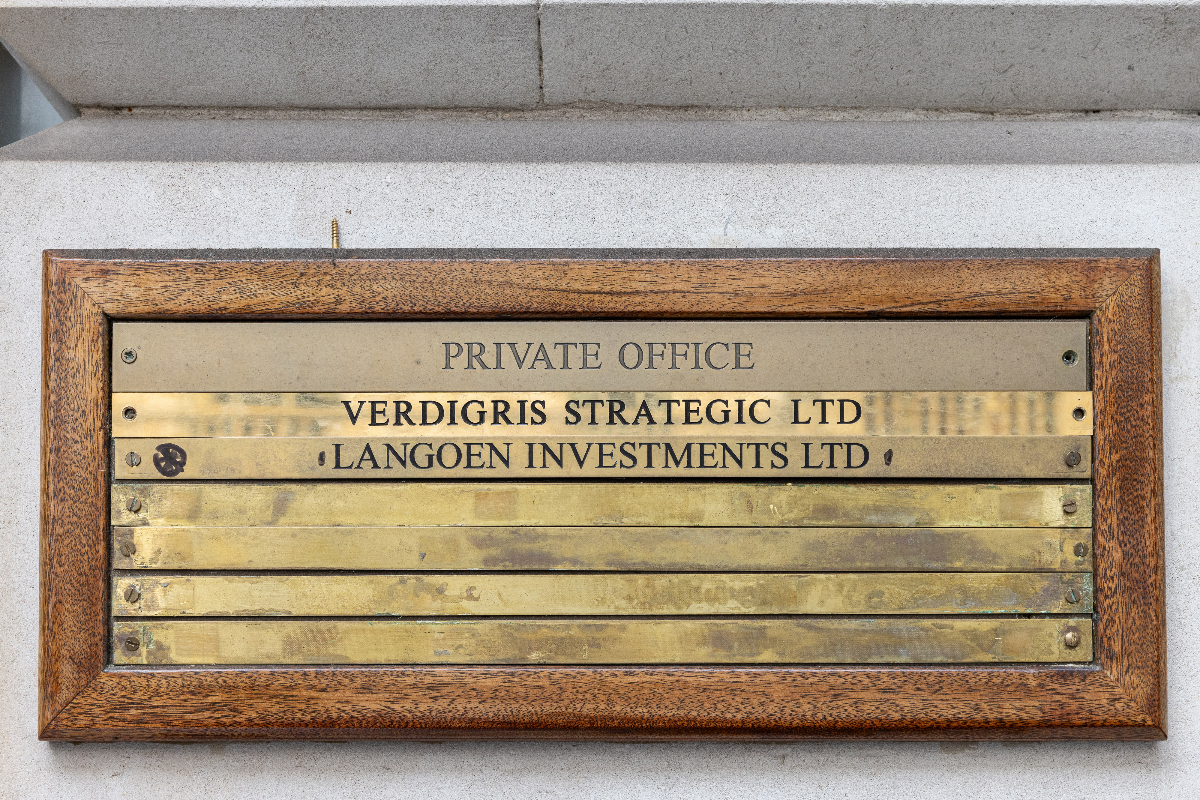

More than one in five UK companies changed their registered address between January 2022 and February 2025, highlighting the extent of internal corporate changes taking place ahead of major Companies House reforms.
Moody’s data, shared exclusively with City AM, also found that nearly 14 per cent of companies changed legal status during the same period.
Additional changes included updates to business activity (2.03 per cent), legal name (1.9 per cent) and ultimate beneficial ownership (2.34 per cent).
These changes are especially relevant in the context of the UK’s incoming Economic Crime and Corporate Transparency Act (ECCTA), which introduces stricter reporting and ID verification requirements.
Low levels of readiness for ECCTA reforms
The ECCTA, which will introduce the most significant changes to Companies House since 1844, includes mandatory ID verification for company directors, people with significant control (PSCs), and individuals filing on behalf of firms.
The reforms aim to enhance corporate transparency and reduce economic crime.
Yet, a recent survey from business provider Vistra found that only 28 per cent of UK company directors feel prepared for the changes.
Among the small businesses surveyed, none said they were fully prepared. Even among the largest firms, fewer than four in ten directors reported being fully ready.
Although 21 per cent of directors believe their businesses are compliant with the ID verification requirement, Companies House data shows that only 2.86 per cent of the estimated 7m individuals required to verify their identity have actually done so.
Among smaller firms, 83 per cent report having no identity verification process in place.
Meanwhile, just under half say they are confident in identifying their PSCs – which is a key requirement under the new rules.
Companies House fraud liability rules
One of the core changes under the ECCTA is the introduction of a new ‘failure to prevent fraud’ offence, which comes into force on 1 September 2025.
Under the new rules, companies may be held liable if employees, subsidiaries, or agents commit fraud on their behalf, unless they can prove that ‘reasonable procedures’ were in place to prevent it.
The offence applies only to larger firms – those that meet two of the following thresholds: having more than 250 employees, total assets of £18m, or turnover above £36m.
Vistra found that just 19 per cent of directors said they were currently compliant, and only 38 per cent believed their organisations had sufficient fraud prevention procedures in place.
“Many businesses still underestimate the scale and urgency of the ECCTA and many are taking a ‘wait and see’ approach that’s both risky and short-sighted”, said Meg Ogunsola, Vistra’s global director of entity management solutions.
“Acting early is the smart move as millions are yet to complete ID checks and bottlenecks are likely, which could disrupt business operations and leave firms exposed to severe financial penalties.”
Reforms paused for SMEs
Earlier this month, the government paused the roll-out of new rules that would have required small and medium enterprises (SMEs) to submit more detailed financial accounts to Companies House.
The rules would be “making it harder than it already is to start a business”, Seb Wallace, co-founder at Triple Ventures and Further, told City AM at the time, “and there’s just no reason why P&L should be disclosed in a private company”.
Thankfully for SMEs, business secretary Jonathan Reynolds cited concerns about regulatory burdens and cost for such firms, in line with the government’s wider aim of reducing administrative costs by 25 per cent.
Despite this pause, Companies House has indicated that enforcement of key ECCTA measures are on track to proceed.
These include director ID verification and compliance with the provision to prevent failure.
Failure to comply could result in significant penalties, including fines and the disqualification of company officers.