The introduction of the EU's Carbon Border Adjustment Mechanism (CBAM) is worsening structural imbalances in Ukraine’s economy, increasing dependence on international financial aid. It is also creating long-term risks for industry and national security, according to an analytical study by GMK Center.
CBAM is an EU instrument that introduces a “carbon tariff” on imports of high-emission goods, including steel, cement, fertilizers, electricity, aluminum, and hydrogen.
Analysts warn that without additional support mechanisms and EU-backed decarbonization funding, CBAM could accelerate deindustrialization in Ukraine.
CBAM pressures Ukrainian industry
The study notes that the war has already significantly reshaped the country’s economic model.
Ukraine’s GDP growth in 2026 is projected at around 1.8%, while the consolidated budget deficit may reach 19.4% of GDP and the trade deficit 26.5%.
State spending exceeds 61% of GDP, reinforcing structural distortions in the economy.
Ukraine’s economy remains heavily dependent on external aid
International support plays a key role in financial stability, with assistance in 2025 estimated at around $52 billion.
However, analysts emphasize that most of these funds are used to cover deficits and support imports rather than domestic production.
CBAM could reduce exports and weaken metallurgy
According to GMK Center estimates, between 2026 and 2030, Ukraine could lose up to $3.9 billion in metallurgical exports and about $3.6 billion in tax revenues.
The overall impact on GDP could reach around $6 billion, or 2.1% of the economy, while CBAM payments for Ukrainian producers may total about €1.2 billion.
Meanwhile, Ukraine's steel exports to the EU could fall to around $1.75 billion by 2030.
CBAM increases social and security risks
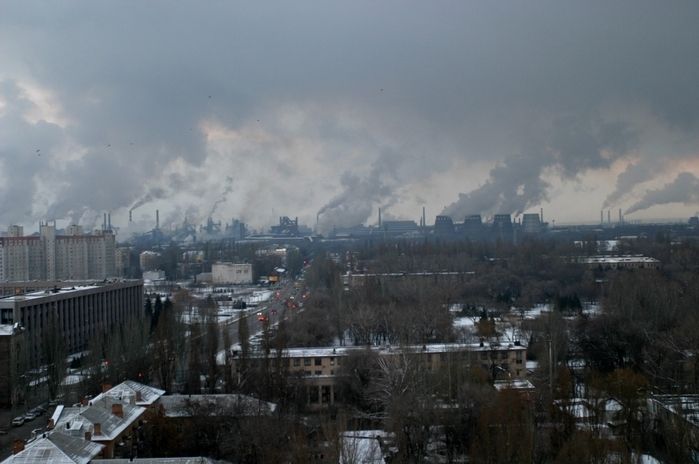
Analysts stress that metallurgy is a key employer in industrial regions, including areas close to the front line.
Production cuts could lead to tens of thousands of job losses, increased migration, and rising social tension.
Alternative sectors are unlikely to quickly offset losses in exports and investment.
“CBAM has a discriminatory effect on lower-income countries that cannot finance large-scale decarbonization,” the study notes.
A weakening industry is also seen as a risk to economic resilience and defense capability.