
Dr. Ayub Mukisa: Sovereignty Bill Proponents Should Adopt a More Lenient Approach to Civil Society
Though the “Protection of Sovereignty Bill 2026” seeks to safeguard Uganda’s autonomy and stability, a valid point, the proponents of the Bill need to show leniency towards Civil Society in Uganda. I bring this argument at this time because the “Protection of Sovereignty Bill,” dated 13 April 2026, has generated significant attention, particularly regarding its implications for Civil Society Organizations (CSOs).
Edrine Wanyama (2017), in “A Critical Overview of the Operating Environment for Civil Society Organizations in Uganda,” argued that factors affecting the operating environment for Civil Society are both external and internal. Wanyama further argued that CSOs are perceived as partisan and operate in a restrictive legal environment.
The question I pose here is, with the sovereignty bill carrying serious charges and penalties, will NGOs or Civil Society survive? Some CSOs are struggling to secure donors; now, if the Bill becomes law, will it not create more issues for NGOs and their staff?
An analytical examination of the Bill shows that, regardless of how smart, wise, or compliant a CSO is, there is a high probability of falling victim to the Bill. This is why I am calling upon the government and the proponents of the Bill to review some sections. Even I, as the writer here, am concerned about the Bill and its implications on me if it becomes law.
In Africa, the history of CSOs has been subject to critical debate. As Professors of Law Oloka-Onyango and John Jean Barya observe in “Civil Society and the Political Economy of Foreign Aid in Uganda” (1997), the concept of civil society was largely introduced from outside Africa and did not emerge organically within African political or social systems. As a result of this external origin, its relevance and appropriateness within African contexts have at times been questioned.
However, this context has changed somewhat; most Civil Society organizations are now indigenous and not foreign actors detached from local realities; rather, they are deeply embedded in communities, often filling gaps where state services are limited. Some of their funding is frequently sourced from international partners but is largely directed toward public benefit activities such as health, education, and livelihoods.
My appeal to the proponents of the Bill is to accept Civil Society as your own in Uganda, regulate them, but do not introduce harsh provisions that will eliminate them from Uganda.
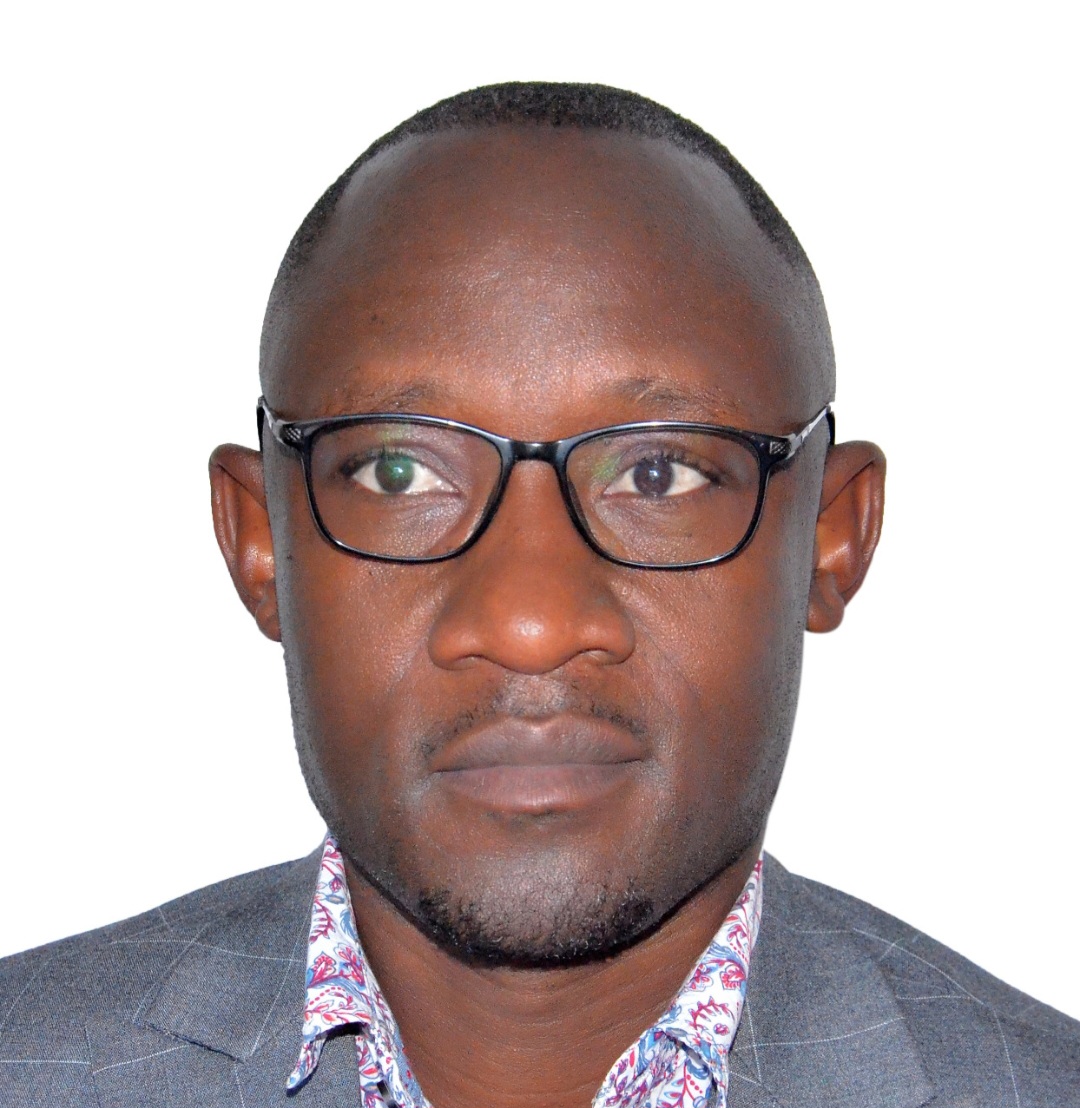
Ayub Mukisa, PhD
Executive Director, Karamoja Anti-Corruption Coalition (KACC)
Email: ayubmukisa@gmail.com
The post Dr. Ayub Mukisa: Sovereignty Bill Proponents Should Adopt a More Lenient Approach to Civil Society appeared first on Watchdog Uganda.