
Dr. Ayub Mukisa: How the Sovereignty Bill, 2026 Has Put Uganda’s Civil Society on Tenterhooks
To shed light on the unease that has swept across Uganda’s civil society landscape due to the “Protection of Sovereignty Bill 2026,” I refer to the 1997 publication by Professor Oloka-Onyango and John-Jean Barya titled “Civil Society and the Political Economy of Foreign Aid in Uganda.” Oloka-Onyango and Barya argue that civil society, much like pornography, holds different meanings for different people at different times and places.
The “Protection of Sovereignty Bill,” dated 13 April 2026, acknowledges the importance of civil society in Uganda while expressing concerns about ensuring transparency and compliance with Ugandan laws, national policies, programs, and interests, especially for organizations funded by foreign entities. These statements have been met with resistance from NGOs and civil society members who fear that the Bill targets their organizations and will complicate their work in Uganda.
John Baguma, a development worker in Karamoja, raised questions about the Bill’s target audience, particularly regarding funds from organizations like UNICEF and the World Food Programme (WFP) in schools. He wondered if this implies that students could be seen as representatives of foreign interests, reflecting a broader apprehension within the sector.
The Bill also underscores Uganda’s lack of a specific law safeguarding the country’s sovereignty, citing an increase in foreign aid to civil society with potential conflicting conditions with government initiatives. While protecting national interests and upholding Uganda’s sovereignty is crucial, finding a balance between regulation and the sustainability of civil society poses a significant challenge.
Angom Dorcus from the Riamiriam Civil Society Network cautioned that the Bill could lead to the elimination of NGOs in Uganda. Angella Byangwa from the Rwenzori Anti-Corruption Coalition urged the Office of the Attorney General to consider the impact of the Bill on Civil Society Organizations and called for cooperation between the government and CSOs to find common ground.
In his article, “The State, Civil Society, and Democracy in Uganda,” Associate Professor Noel Kansiime (2019) argues that civil society is widely acknowledged as a crucial sector that has positively influenced both the state and the market. It serves as a key player in promoting transparency, accountability, responsibility, and openness. However, concerns persist about whether the proposed Bill may deter donor funding or if civil society actors are the intended targets. Advocates of the Bill are urged to carefully reassess its implications and review its provisions.
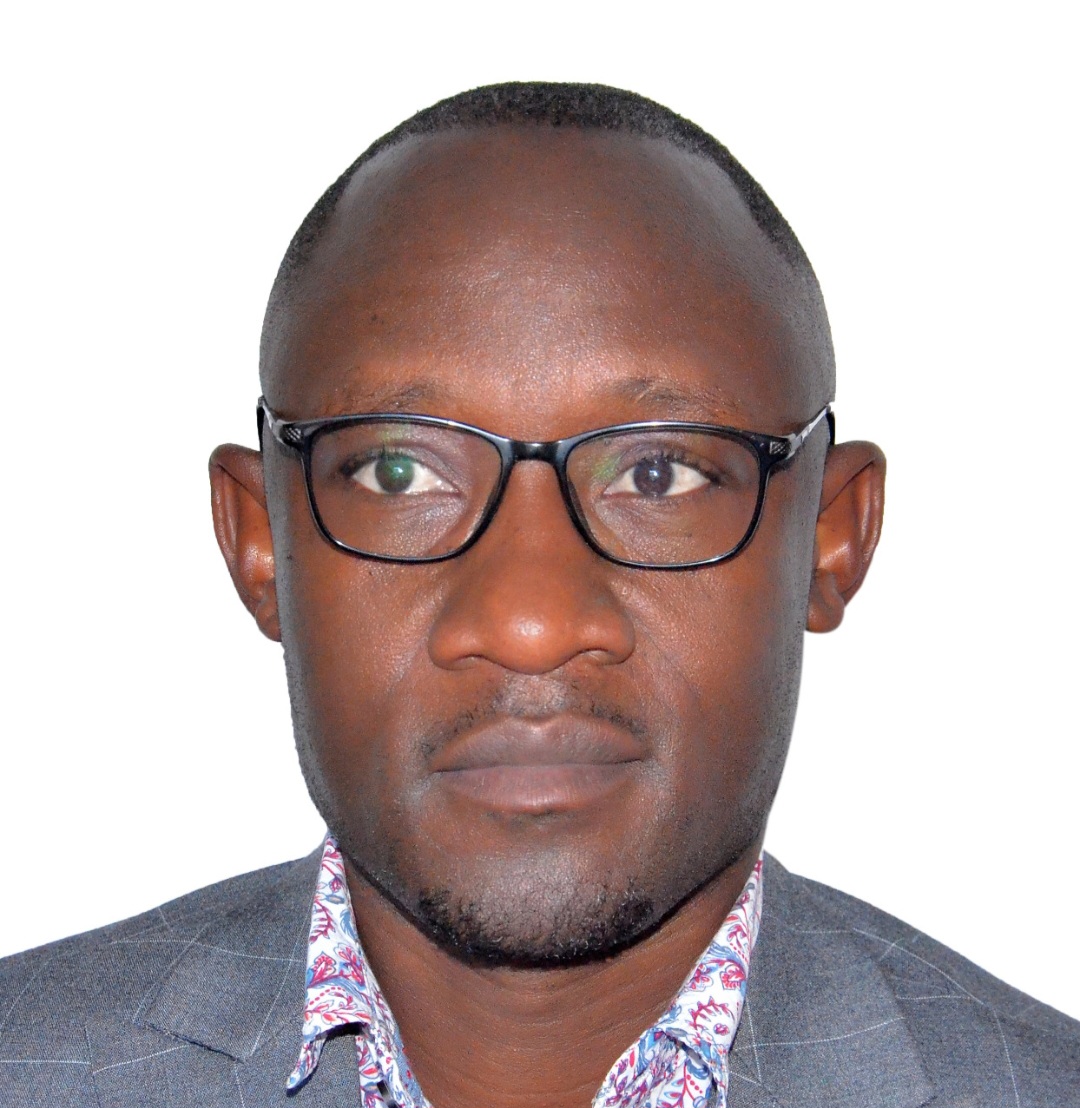
Ayub Mukisa, PhD
Executive Director, Karamoja Anti-Corruption Coalition (KACC)
Email: ayubmukisa@gmail.com
The post Dr. Ayub Mukisa: How the Sovereignty Bill, 2026 Has Put Uganda’s Civil Society on Tenterhooks appeared first on Watchdog Uganda.