DOJ Lawyer Face-Plants on Native Americans and Birthright Citizenship
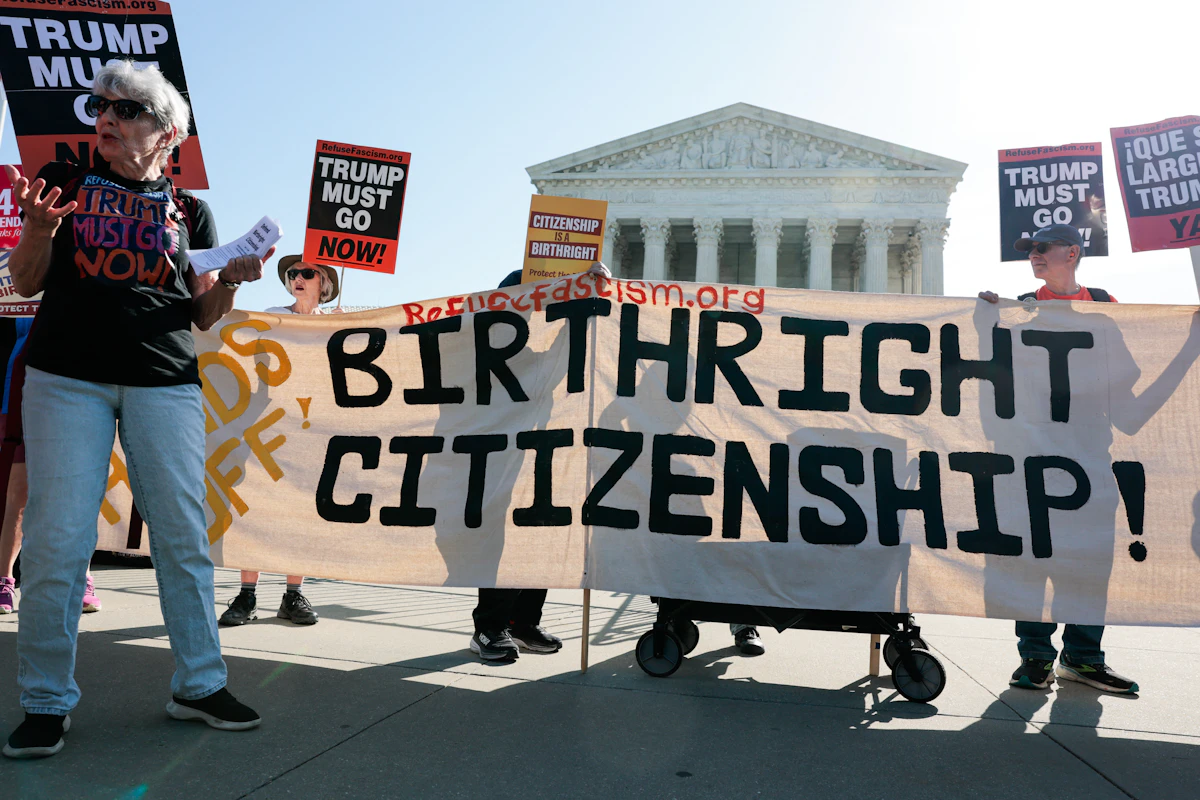
The Trump administration’s lawyer, Solicitor General John Sauer, admitted before the Supreme Court Wednesday that he hadn’t thought too much about one of the big questions in President Donald Trump’s attempt to repeal birthright citizenship: What happens to Native Americans?
Supreme Court Justice Neil Gorsuch, who has carved out a niche for himself by carefully considering Indian law, asked Sauer if Native Americans today would be considered birthright citizens under the Trump administration’s test.
“I think so?” Sauer replied, clearly unsure. “I mean, obviously they’ve been granted citizenship by statute.”
“Put aside the statute; do you think they’re birthright citizens?” Gorsuch said again.
“No, I think the clear understanding that everybody agrees in the congressional debates is that the children of tribal Indians are not birthright.”
“I understand that’s what they said,” Gorsuch said. “But your test is the domicile of the parents, and that would be the test you’d have us apply today, right?”
“Yes, yes,” Sauer said.
“Are tribal Indians born today birthright citizens?” Gorsuch asked yet again.
“Ah, I think so, if they were lawfully domiciled here,” Sauer replied. “I’m not sure—I have to think that through.”
“I’ll take the yes,” Gorsuch said.
GORSUCH: Do you think Native Americans are birthright citizens under your test?
SAUER: Ah, I think ... so. I have to think that through. pic.twitter.com/9OxV0ZBlRi— Aaron Rupar (@atrupar) April 1, 2026
The Trump administration clearly hasn’t considered the implications of the executive order Trump signed on his first day in office repealing birthright citizenship. That a DOJ lawyer can’t explain whether Native Americans would be U.S. citizens in Trump’s vision is certainly unsettling.