
Disposable income per head slumps despite economic growth
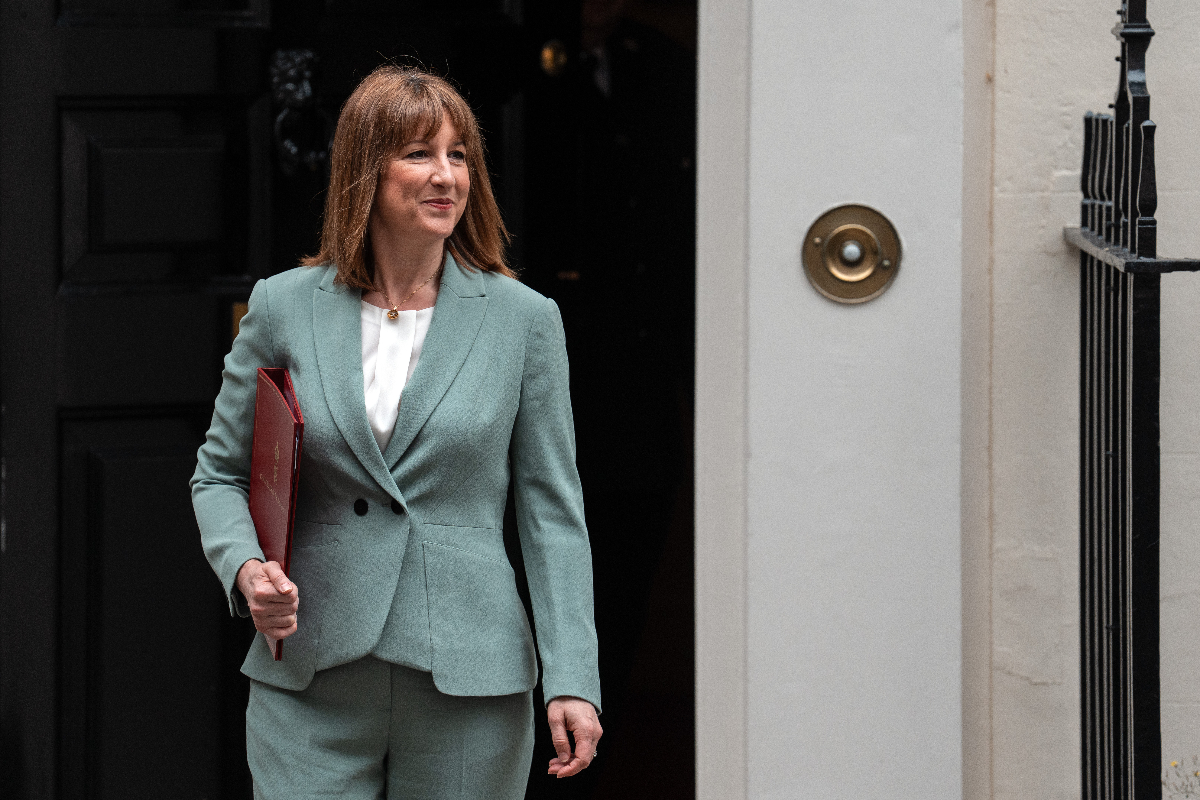

The Office for National Statistics left growth figures for the UK economy at 0.7 per cent in the first three months of the year unrevised on Monday.
Official data from the ONS showed quarter one’s growth was led by a 1.3 per cent increase in the production sector. Services and construction jumped 0.7 per cent and 0.3 per cent respectively.
The ONS said, despite headline figures remaining unchanged, the economy “still grew strongly” in February, as well as “growth coming in a little higher in March too”.
But the revised data follow April’s growth figures, which revealed the economy shrank beyond analysts’ expectations.
The ONS revealed a 0.3 per cent contraction in the UK economy in April. City analysts had expected GDP to contract 0.1 per cent, according to a Bloomberg poll.
The first three months of the year benefited from rising production ahead of Rachel Reeves’ tax rises in April and the threat of Donald Trump’s tariffs.
“There was broad based growth across services, while manufacturing had a strong quarter,” Liz McKeown, director of economic statistics at the ONS, said.
Reeves’ tax raid weighs on growth
But the bleak figures from April marked a blow to the Chancellor’s growth agenda, which she has banked much of her political reputation on.
Reeves has made delivering growth “further and faster” a central mission, with key reforms across planning and energy, as well as her upcoming financial services strategy, where she plans to outline how the sector can steer economic prosperity.
But economists have found the Chancellor’s own policies, namely her £20bn tax raid on employers in the Autumn Budget, helped burden firms with extra costs and squeeze profits.
The Office for Budget Responsibility (OBR), the UK’s fiscal watchdog, expects the UK growth to be one per cent for the year.
The Bank of England brought its projection in line with the OBR, though interest-rate setters have described the spike in the first-quarter as “erratic” due to greater manufacturing output.
The World Bank said earlier this month that the global economy would suffer its worst fate since the financial crash in 2008, which is expected to trigger lower confidence at firms who are looking to export to new trading partners.
Interest rate cuts have also been eyed as a key source to spur growth, but rate-setters held at 4.25 per cent amid rising tensions between Israel and Iran risking a surge in energy prices.