CNN: Putin’s absence in Turkiye shows he controls terms and timing of Ukraine’s peace talks
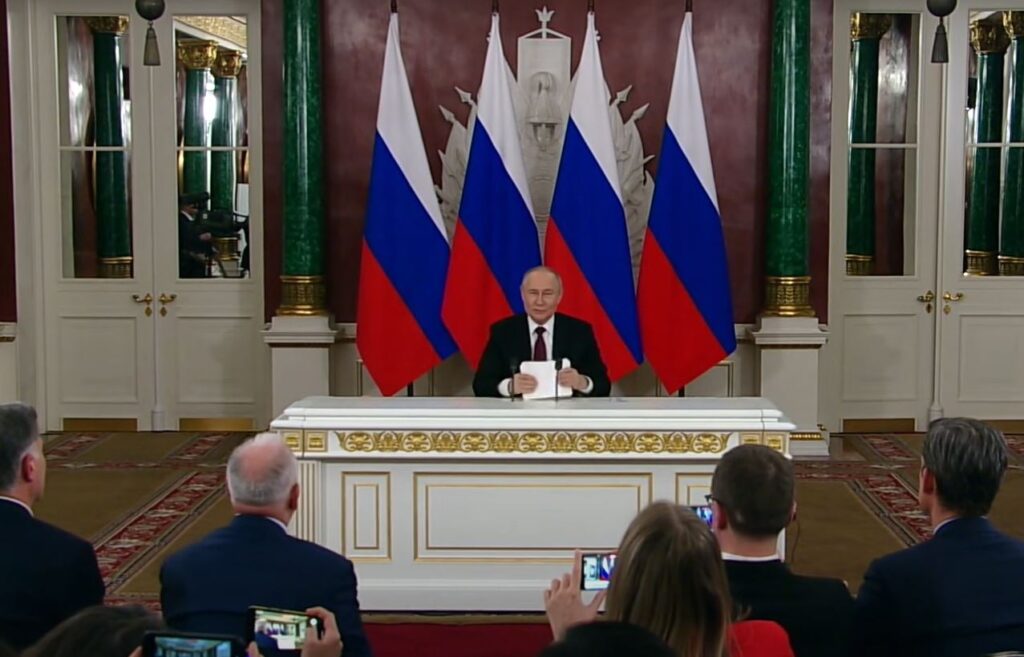

The reality is that the Russian President, Vladimir Putin, is the one who is calling the shots in peace negotiations, writes Fred Pleitgen for CNN.
While Ukraine and its allies speak about applying pressure on Russia, Vladimir Putin once again showed that he will act on his own timetable and terms.
“Neither Zelensky, nor an alliance of top European leaders, nor US President Donald Trump have determined the pace, the format, or the preconditions for the talks – Vladimir Putin has,” the CNN correspondent writes.
Ukraine and the European allies stated that a ceasefire must come first, and negotiations should take place directly between the two leaders, not just between delegations. US President Donald Trump said he was ready to fly to Istanbul.
Now it is 15 May. Vladimir Putin will not come to Türkiye. The Russians sent a delegation led by a high-ranking Kremlin aide, and talk of a direct ceasefire has almost vanished. President Trump said he never believed Putin would come at all.
“Why would he go if I’m not going?” Trump asked.
But the truth is, the negotiations are in control of the Russian president.
Earlier, Foreign Policy reported that in recent weeks, Europeans have shown unity and resilience, presenting Moscow with an ultimatum: either agree to a ceasefire or prepare for a wide range of new sanctions.
The deadline was set to expire on 12 May evening. But lacking support from the US, the Europeans backed down and extended the ultimatum until 15 May.