
City investors raise alarm on Burnham’s Chancellor pick

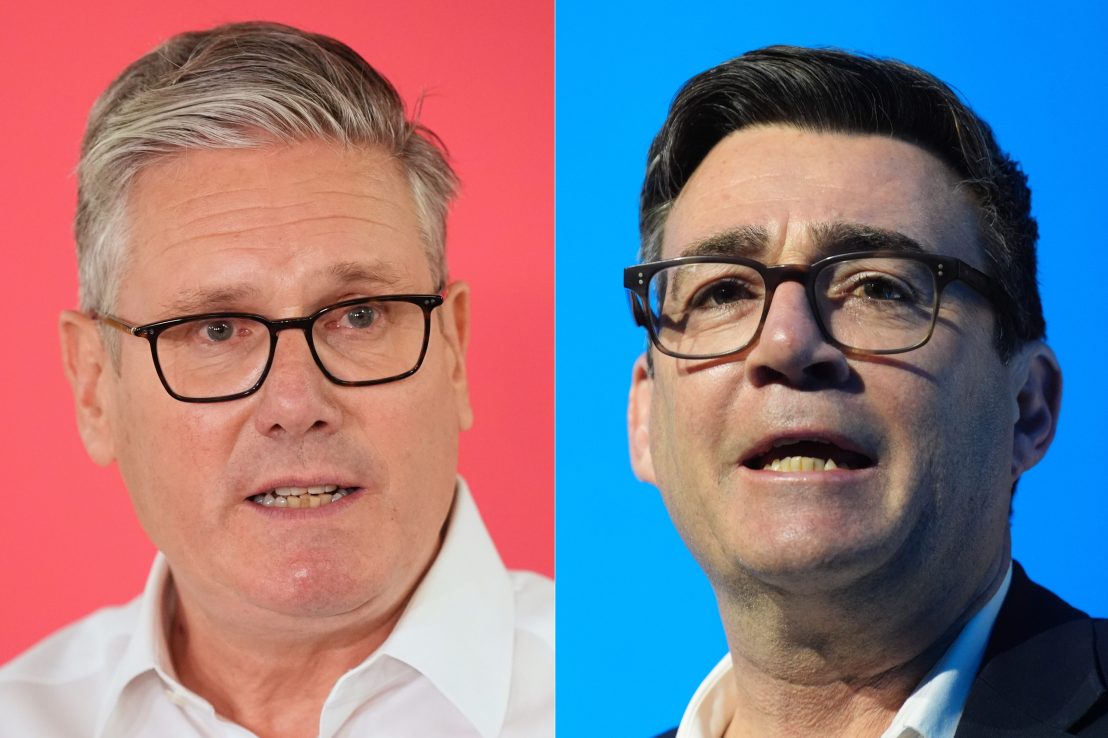
Andy Burnham’s bid to return to parliament poses a risk to financial markets, City analysts have warned, as his next pick as Chancellor could heavily sway traders’ views.
City analysts have said they will be closely watching out for developments on Friday as results from the Makerfield by-election emerge in the early hours of the morning.
A win for Burnham could set a leadership contest in motion, with dozens of MPs travelling to Makerfield to show their support for the current Manchester mayor. Polls suggest Burnham is popular both among Labour members and the UK electorate while he has himself declared his intention to enter a leadership race.
Burnham may still decide to wait longer before announcing a bid to become Prime Minister. Sir Keir Starmer sent MPs a warning on the political chaos posed by a new by-election for the Greater Manchester mayoralty given Burnham would have to resign from his position if he wins in Makerfield.
After the May local elections, 30-year UK gilt yields – which reflect long-term government borrowing costs – rose to the highest level since 1998 as scores of MPs called for Sir Keir Starmer to resign and set a timetable for his departure.
Peel Hunt deputy head of research Kallum Pickering said the risks were “skewed to the downside” for financial markets if Burnham wins given traders would fear a shift to a leftist agenda “without a fresh electoral mandate”.
Reeves versus Miliband
City analysts largely agreed that swings in market prices would not be as heavy as those seen in May. Lindsay James, investment strategist for Quilter, said there was a lot of “noise” around revised inflation forecasts, the fallout from the Bank of England’s interest rates decision on Thursday and a peace deal being signed between President Trump and Iranian leaders on the same day results come.
Modupe Adegbembo, an economist for the American bank Jefferies, suggested investors had priced in the risks of a Burnham premiership, though attention would quickly shift to who Burnham would pick as Chancellor if he became Prime Minister.
“Retaining [Rachel] Reeves would signal continuity and help anchor market confidence,” Adegbembo said.
“Similarly, appointing figures from the right of the Labour party, such as Wes Streeting or Shabana Mahmood, would be seen as reassuring.
“By contrast, from the soft-left such as Ed Miliband, could weigh on confidence given the perceived risk of greater fiscal expansion.”
Quilter’s James also said Miliband would be viewed as a dangerous Chancellor selection for bond traders as he “would come with a reputation of having priorities other than maximising growth within existing fiscal constraint”.
‘Burnham could boost investment confidence’
City researchers said efforts by Burnham, Miliband and other senior Labour figures to express support for fiscal rules had eased worried about an expansion in government spending.
Michael Field, chief equity strategist at Morningstar, said Burnham’s recent policy proposals were “net neutral relative to what we are dealing with today”. He added that nationalising major utility firms would be a “negative” for financiers though he suggested there were doubts over whether these ideas would be followed through.
Field suggested that a victory for Burnham could even boost investors’ confidence in the UK.
“The potential election of a popular candidate like Andy Burnham would likely improve market perception of the UK from an investment perspective,” Field said.
“Ultimately the market is indifferent to personalities. Investors want stability and visibility, and bond and equity prices will shift depending on whatever characters can bring this about in the quickest fashion.”
When questioned about the implications of a loss for Burnham in the by-election, Jefferies’ Adegbembo said there could be “a knee-jerk unwind of ‘Burnham trades’” that priced in higher borrowing costs although that change in pricing may not stick for long.
“In our view, such an outcome would only increase political uncertainty around a potential change in Prime Minister and Labour leadership challenge, with a wider field of potential challengers and a more prolonged leadership process, requiring a higher political risk premium over time,” Adegbembo said.