
BWANIKA JOSEPH: The Banyarwanda Question and Balancing Constitutional Citizenship Rights Against Sovereign Infiltration Fears
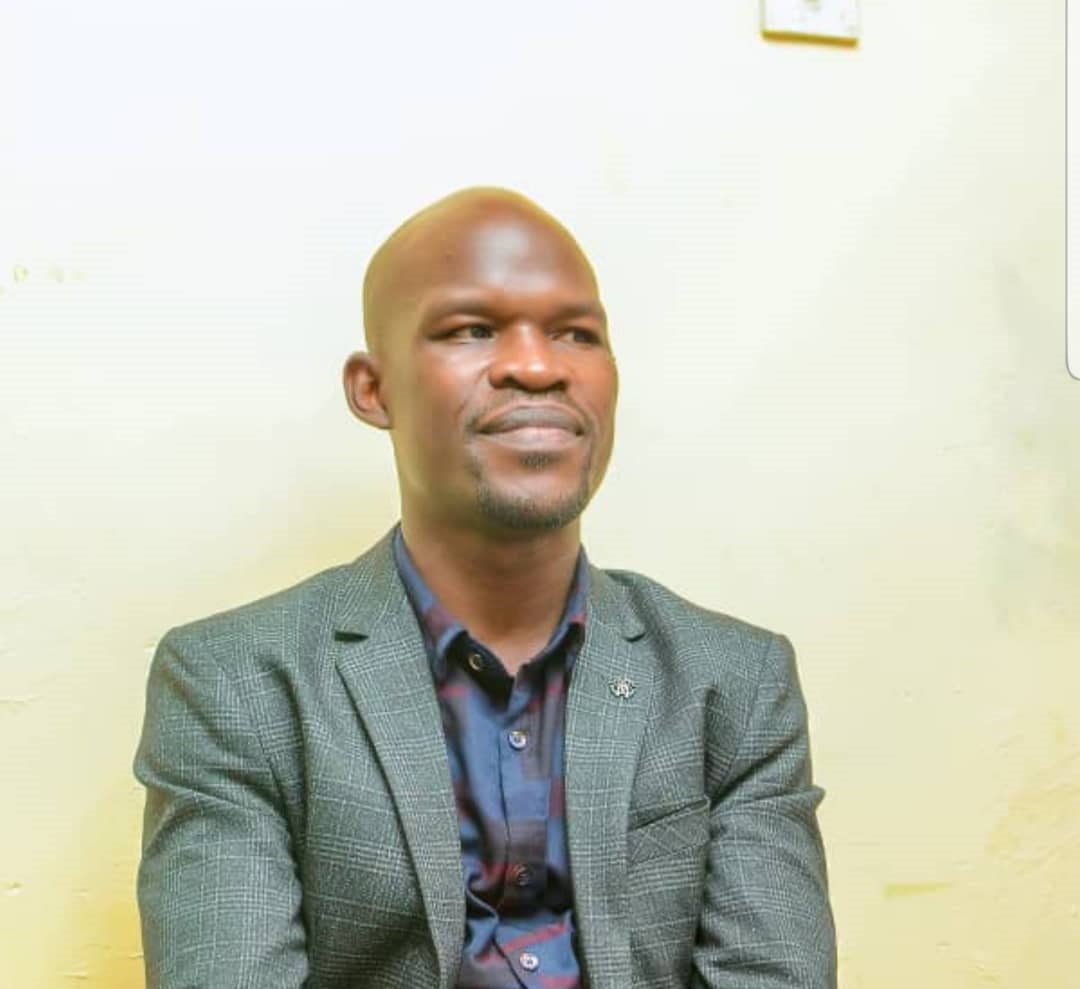
General Yoweri Museveni’s cabinet appointment has thrust one of East Africa’s most sensitive ethno-political fault lines into the policy spotlight. By elevating Victoria University Vice-Chancellor Dr. Lawrence Muganga to the position of Minister of State for Internal Affairs, the executive has engineered an unprecedented governance paradox.
Dr. Muganga, an academic and public figure in Uganda was a policy Advisor in Canada under the Government of Alberta as well as a researcher at the University of Alberta, Dr. Lawrence, replaces a disciplined military stalwart, Gen. David Muhoozi. This shift moves him from the halls of higher education directly into the critical nerve center of Uganda’s domestic security and civil registries.
This sudden appointment brings to the forefront the question of Banyarwanda. It represents a profound friction between the constitutional civil liberties of Ugandans of Rwandan origin and deep-seated, systemic national security anxieties regarding sovereign infiltration by a regional neighbour.
The Ministry of Internal Affairs is not a ceremonial deployment, it sits at the frontline of Uganda’s identity governance system, managing immigration, citizenship regulation, police coordination, and National databases.
To evaluate this question, one must contrast Uganda’s formal legal architecture against its informal, highly securitized bureaucratic practices. Under the First Schedule of the 1995 Constitution of Uganda, the Banyarwanda are explicitly recognized as an indigenous community of Uganda as of February 1, 1926. Legally, they possess an unassailable right to citizenship by birth, carrying identical rights, privileges, and duties to any other native tribe.
In practice, however, the Directorate of Citizenship and Immigration Control has historically functioned on a defensive footing regarding this specific demographic.
For decades, immigration desks have subjected Banyarwanda applicants to intense profiling, delaying or outright denying passports out of fear that foreign nationals are exploiting shared ethnic ties to illegally acquire Ugandan identification documents.
Before his appointment, Dr. Muganga was a leading advocate against this institutional gridlock, championing public campaigns to end what his community labeled “bureaucratic discrimination” and systemic profiling.
The primary catalyst for native public anxiety is the lingering memory of Dr. Muganga’s high-profile arrest in September 2021.
In a dramatic incident captured on CCTV, joint security forces bundled him into a vehicle at his university campus. The military openly announced that he was being investigated by the Chieftaincy of Military Intelligence (CMI) for espionage and illegal stay, explicitly alleging ties to Rwandan networks.
While he was quickly released and the state dropped all allegations, the geopolitical timing was critical. It occurred during a dark freeze in Uganda-Rwanda diplomatic relations, marked by proxy friction and the closure of the Gatuna border.
By placing an individual once publicly branded a national security asset for Kigali at the apex of the ministry that controls national identity infrastructure, the executive has subverted conventional security logic.
For native Ugandans, this appointment risks opening a backdoor where strict citizenship verification procedures might be systematically dismantled.
Conversely, for the marginalized Banyarwanda community, having one of their own supervising passport delivery is seen as a historic civil rights victory that ensures equal treatment under the law.
From a legal standpoint, the appointment stands on a questionable ground. The Constitution of the Republic of Uganda does not permit dual citizens to hold public office including hold the office of a government minister.
Under the Uganda Citizenship and Immigration Control Amendment Act, Section 19D and the Fifth Schedule of this Act, individuals who hold citizenship of another country alongside their Ugandan citizenship are explicitly disqualified from several key national security and leadership, and even though the state cleared him of the 2021 espionage case, Dr. Muganga’s dual citizenship does not allow him to be in a good standing. The Parliament therefore, should follow the law to evaluates eligibility purely on documentation and National legal standards.
Logically, the appointment of Dr. Lawrence Muganga as State Minister for Internal Affairs presents a complex national security paradigm if he treats Uganda as a tertiary loyalty behind his existing national allegiances.
The Ministry of Internal Affairs controls sensitive citizen databases, biometric registries, and domestic intelligence networks. If a minister views the host nation as a third home, their psychological and legal attachment to safeguarding state secrets is inherently divided among competing national interests.
This fragmented loyalty compromises data sovereignty, as personal citizen information and classified security protocols become vulnerable to external exploitation, espionage, or data siphoning.
Consequently, national security is undermined when the custodian of a country’s foundational data assets lacks exclusive allegiance to that nation’s sovereignty.
The author, is a Social Development specialist and CEO Bridge Your Mind Centre.
Email; bwani.jose@gmail.com
The post BWANIKA JOSEPH: The Banyarwanda Question and Balancing Constitutional Citizenship Rights Against Sovereign Infiltration Fears appeared first on Watchdog Uganda.