BWANIKA JOSEPH: Can Cultural values of respect survive an era of Uganda’s Political hostility?
Uganda today finds itself at a troubling situation, where long-held cultural values of respect and dignity are being tested by rising political hostility. One of the clearest signs of this shift is the growing tendency to publicly celebrate the death of individuals, particularly those who held positions of influence.
What should ordinarily be moments of mourning have, in some cases, turned into platforms for ridicule and vindication. This raises a critical question, can a society that increasingly normalizes such reactions still uphold its foundational values of respect?
Traditionally, Ugandan communities treated death with solemnity and compassion. Regardless of one’s status or disagreements, death was seen as a unifying moment a time to comfort the bereaved and reflect on the fragility of life. Today, however, that cultural fabric appears to be fraying.
Social media platforms and public discourse have become arenas where grief is politicized, and where the deceased are judged not as human beings, but as symbols of broader grievances.
The roots of this shift lie in a combination of political tension, social frustration, and perceived injustice. Over time, allegations of corruption, abuse of office, and unequal application of the law have taken away public trust.
Some leaders, when confronted, have responded with indifference or arrogance, further widening the gap between the governing and the governed. In such an environment, resentment festers.
As a result, when individuals associated with controversy pass away, sections of the public interpret their deaths through a political lens. For some, it becomes an expression of long-suppressed anger a misguided sense of justice.
Others align their reactions along tribal or party lines, deepening divisions that were already present. What emerges is a culture where empathy is replaced by hostility, and where respect is conditional.
There are also persistent claims among citizens that state actors have, most of the times, been involved in abductions, torture, and unlawful killings.
Whether these claims are substantiated or remain perceptions, their impact on public consciousness is significant. They reinforce the belief that life itself can be politicized, and that justice is not equally accessible to all. In such a climate, it becomes easier for people to detach emotionally from the loss of others.
This growing pattern reflects a society under internal pressure, a boiling crisis that risks erupting if ignored. It is no longer confined to political elites, it is spreading across communities and even into religious institutions. The normalization of celebrating death signals a deeper scraping of shared values.
Ironically, much of the blame has been placed on young people, who are often accused of promoting disrespectful behaviors.
Yet this perspective overlooks the realities they face. Many young Ugandans have grown up witnessing inequality, limited opportunities, and systems that appear unresponsive to their concerns. Their reactions, though sometimes extreme, are shaped by lived experiences that cannot simply be dismissed as moral failure.
If cultural values of respect are to survive, leadership must play a central role. Those in positions of influence set the tone for society. When leaders demonstrate accountability, humility, and a genuine commitment to justice, they help rebuild trust. Conversely, when they dismiss concerns or act with impunity, they contribute to a culture of bitterness and division.
It is also important to recognize that no society can sustain itself on revenge. History shows that cycles of resentment only reproduce themselves. Every act of injustice leaves behind scars, and each new generation grows up asking questions about those wounds. Without deliberate efforts to address the root causes, the cycle continues.
Uganda must therefore confront deeper structural and governance questions. A nation’s stability depends on inclusivity, fairness, and the assurance that power is exercised in the interest of all citizens. Addressing concerns about political dominance, inequality, and accountability is essential not only for governance, but for restoring the moral foundations of society.
Ultimately, respect is not merely a cultural ideal, it is a practice that must be protected and nurtured. No family deserves to see their loved one’s death turned into public celebration. Preserving dignity in death reflects how much value we place on life itself.
The survival of Uganda’s cultural values in this era of political hostility is not guaranteed but it is still possible. It requires a collective commitment to reject dehumanization, to demand justice without resorting to vengeance, and to rebuild a society where respect is unconditional.
Celebrating the death of an influential figure seems to be a weapon of the Weak in a Society with Systematically Sealed Justice. If Uganda is to move forward, it must restore fair justice and rule of law. Leaders should advocate for a peaceful transition of power and reject one family rule.
We all need to choose empathy over hostility, unity over division, and accountability over silence. Only then can the country preserve the values that once defined us all and ensure they endure for generations to come.
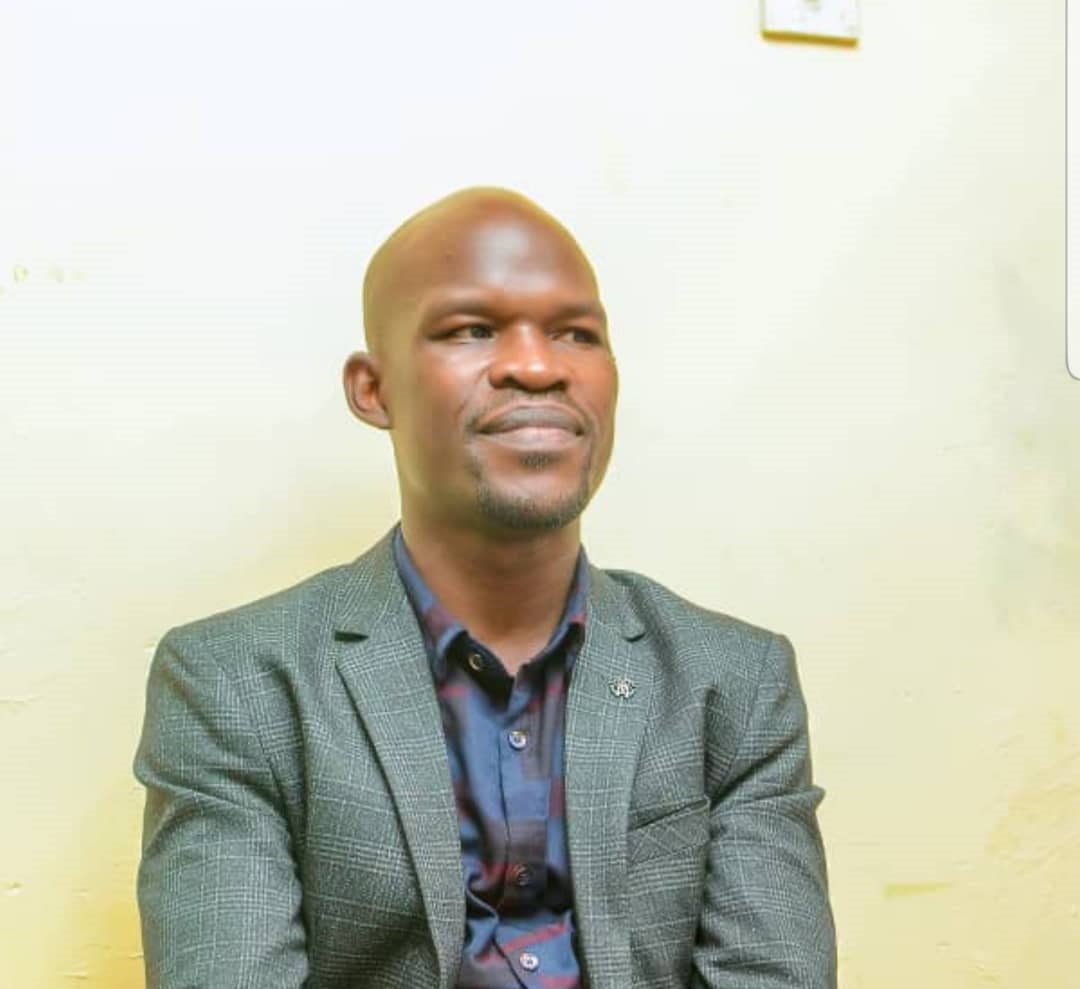
Author is a social development specialist and CEO Bridge your mind Centre
The post BWANIKA JOSEPH: Can Cultural values of respect survive an era of Uganda’s Political hostility? appeared first on Watchdog Uganda.