
Bolt targets 100,000 driverless cars by 2035
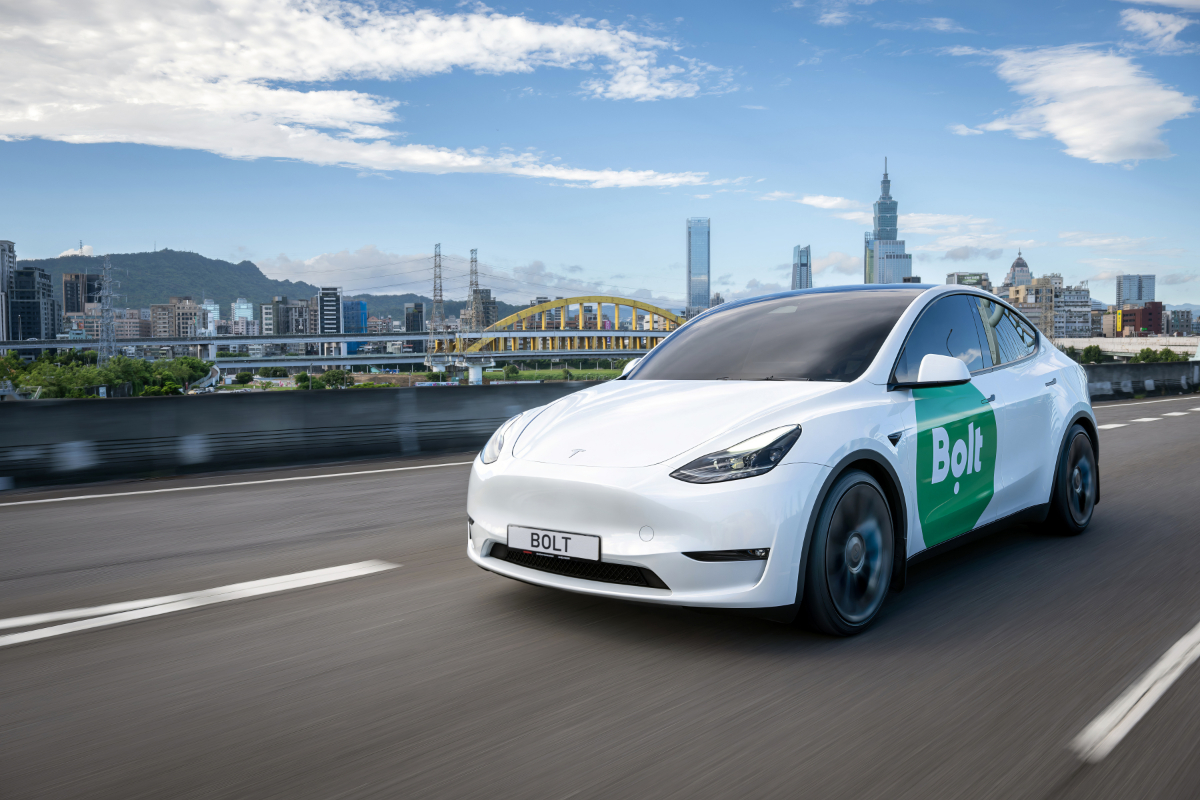
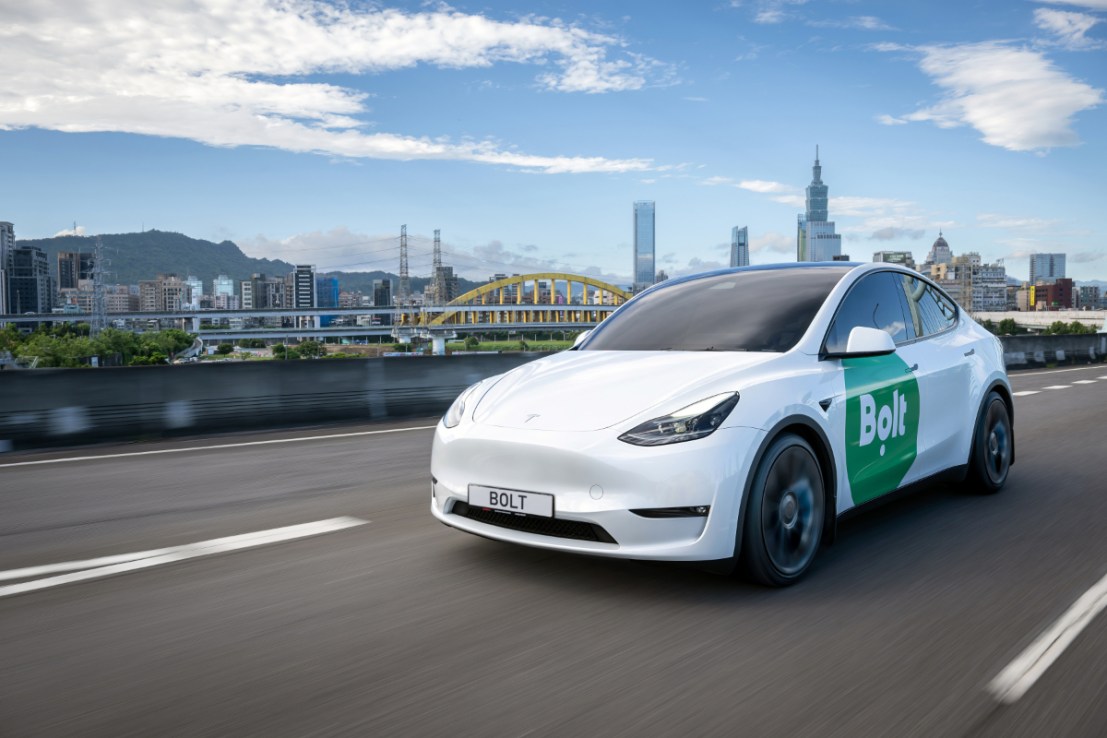
Bolt is accelerating its self-driving mission with a new hardware partnership with Stellantis, it was announced on Tuesday.
Together, both firms will deploy 100,000 autonomous vehicles on its platform within the next decade.
Trials are to kick off across European hubs from 2026, placing the mobility platform ahead in the AV race.
The deal will see Stellantis’ AV platforms paired with Bolt’s operations.
Last month, the Uber-rival announced a software partnershup with Pony.ai, which gives the industry giant a full AV stack including software, hardware, and its own operational expertise.
Antonio Filosa, chief executive of Stellantis, said: “Autonomous fleets can contribute to a lower carbon footprint by enabling shared and optimised mobility.”
“Partnering with Bolt bring this vision closer to reality, combining our engineering expertise with their operational reach, to make driverless mobility a trusted part of everyday life in Europe.”
Whereas for Bolt, the move forms a scaling tactic. Mark Villig, its founder and chief executive, announced: “This partnership marks a key step toward our goal of 100,000 autonomous vehicles on our platform by 2035.”
Trials will begin in select European markets from 2026, following a phased rollout from prototypes and pilot fleets to scaled out delpoyment.
Initial production targets have been set to 2029.
Insurance and regulation
While AV hardware and software are critical, insurers are keeping a close eye on Europe’s streets.
What’s more, motor insurers must now underwrite algorithms, rather than drivers.
Jon Dye, director of motor underwriting at QBE Europe, explained: “We’re moving away from insuring the behaviours of a driver, to insuring the behaviours of an algorithm.”
“We will be underwriting the competency of the software – how it merges onto motorways, negotiates roundabouts, even reacts to snow or fog.”
The UK government is preparing for the autonomous wave with the Automated Passenger Services (APS) permitting scheme, which is set to launch in spring 2026.
The scheme was built on the Automated Vehicles Act 2024, and will define legal requirements for AV fleets.
Transport for London warns that dense environments like London, will provide an unforgivable proving ground.
“Safety is our top priority”, a TfL spokesperson said, “and automated vehicles must align with our Vision Zero to eliminate deaths and serious injuries.”