Barclays’ high street U-turn exposes a divide in British banking
In Westminster, the news cycle is never short of drama over U-turns.
Subtle tweaks or direct bait-and-switches on policy are batted away by government spokespeople as mere “pivots” as opposed to full 180-degree turns.
But away from all the hoo-ha in the Commons, over in the City an abrupt handbrake turn has left skid marks on the high street.
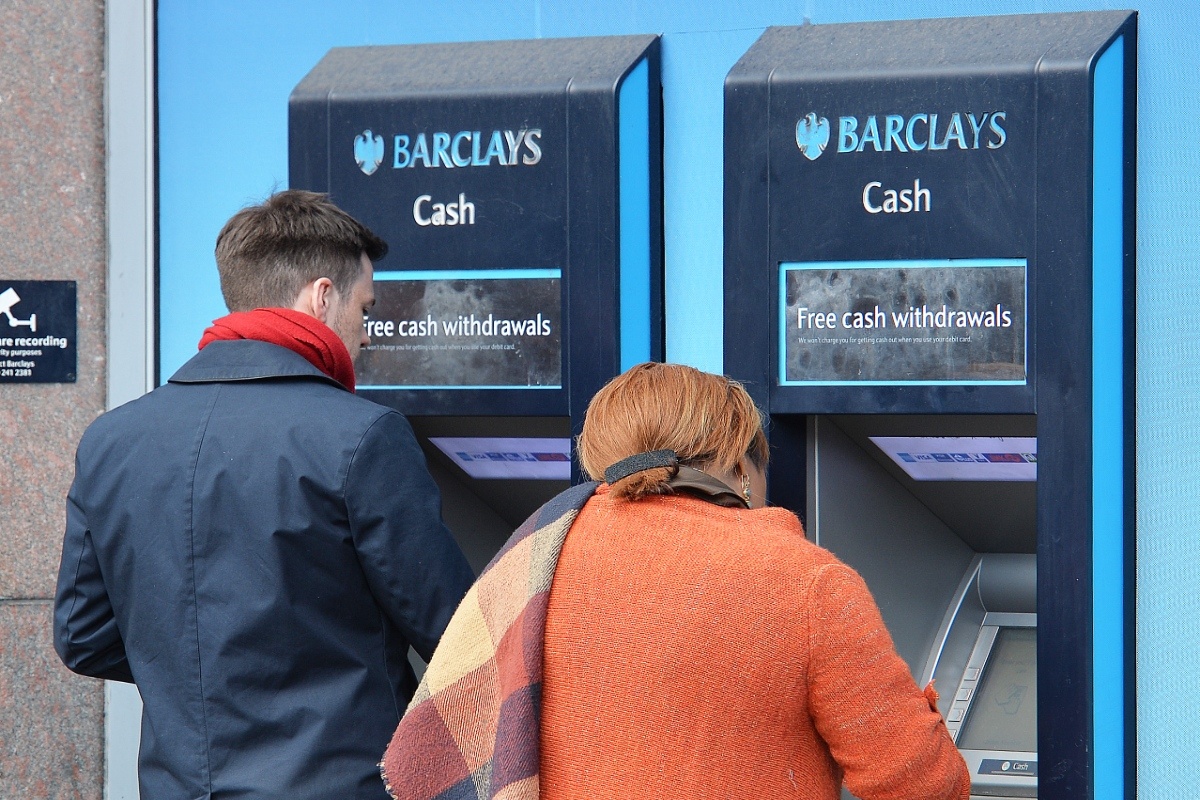
Blue-chip titan Barclays, which spent the last decade pioneering the great bank branch cull, has suddenly rediscovered the charm of the brick-and-mortar approach. Barclays has said it understands the value of “physical presence” and the “ability to talk” to colleagues in person, and thus is moving forward with plans to expand its branch network. A key element of this strategy shift is the return of bank managers – a position that practically evaporated as Barclays accelerated its online push.
The conclusion was reached after shuttering a staggering 1,236 branches over the past decade as Barclays – and its big four peers HSBC, Natwest and Lloyds – all fled the high street. But after the blue-eagle bank led the charge, closing more than any of its peers, it has now suddenly remembered the human fondness for talking to another human as opposed to a chatbot.
HSBC beefs up physical offering
Whilst a screeching U-turn for Barclays, the move stops short of a full-steam ahead resurgence for the industry. Instead, it reveals an ever-widening crossroads.
Barclays’ move follows a play from HSBC last December, which pledged to not shut any branches until at least 2027 in a bid to woo customers. Instead, Europe’s biggest lender said it would pump £55.8m into its 327 branches – a 30 per cent jump from the year prior. This included the launch of its first wealth centre in the heart of London boasting scenic views of the capital as part of its play to charm the mass affluent.

Perhaps one of the biggest pioneers of the branch network is Nationwide, which says it won’t shut the doors on any of its sites until 2030.
Lloyds on the road to digital highs
But on the flipside, rival lenders have only hastened their scurrying from high street sites. Lloyds announced in February it would close another 95 branches, taking its total retained branches to 610, compared to over 1,500 a decade ago.
In the meantime, the banking giant has pushed ahead with an ambition to become the ‘UK’s biggest fintech’ and doubled down on its tech transformation to take the fight to digital rivals. Santander has shared this perspective, last month announcing it would shut 44 branches as it turns focus to beefing up its digital offer. Though Santander has held onto some physical presence with the launch of work cafes – open to everyone not just the bank’s customers – that offer in-person banking services as well as serving coffee and food.
As Barclays shifts attention back to the high street, its fight against digital disruptors will likely rumble on – as with Lloyds whose focus on tech does not suggest it is adopting a digital-only footing. But it does draw clear lines in the sand over where the banks believe the value lies. For Barclays, the proof may also be in the pudding already, with the likes of Metro Bank, which has vowed to open more branches after returning to profit in the last year.
But even as the likes of Lloyds and Santander fight tooth and nail against the fintechs for dominance in the digital market, it won’t stop the fintechs from parking their tanks on the lawns – or high streets – of the incumbents.
Of course, by nature these digital-first banks have no interest in a full-blown network but firms have shown keenness in developing some physical presence. Last week as money transfer firm Wise unveiled its UK current account, the fintech set up a pop-up branch in a bid to put the new venture at the forefront of the consumer’s mind. And fresh off clinching its UK banking licence, chatter in banking circles has already begun around Revolut launching its own ‘experience’ venture.
The Barclays U-turn is a clear indicator that the high street unit is no dead-end for the sector. Though it does reveal industry titans are split across two increasingly different lanes – one racing towards an online-only horizon and another clocking that a physical presence may slowly become a premium differentiator.