
Bank of Uganda Governor Warns MPs; Sovereignty Bill Is An Economic Disaster
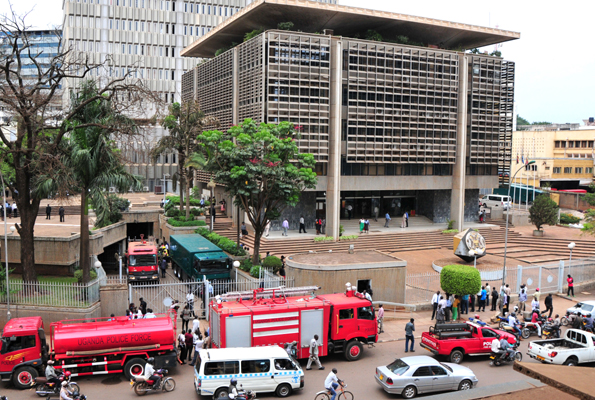
Governor Michael Atingi-Ego Tells Parliament Proposed Law Could Trigger Currency Collapse, Inflation, and Investor Flight
Kampala, April 28, 2026 — The Bank of Uganda has issued its strongest warning yet against the controversial Protection of Sovereignty Bill 2026, cautioning that the proposed law, in its current form, could destabilize Uganda’s economy, weaken the shilling, deplete foreign reserves, and trigger imported inflation.
Appearing before Parliament’s Joint Committee on Defence and Internal Affairs alongside the Legal and Parliamentary Affairs Committee, Bank of Uganda Governor Michael Atingi-Ego delivered a blunt and unapologetic message: interfering with foreign financial inflows could reverse years of hard-earned economic stability.
“A country without reserves is not sovereign,” Atingi-Ego told legislators. “The potential of this Bill to destabilise Uganda’s balance of payments is our primary concern as a central bank.”
The Governor cited recent economic data to support his warning. In the last financial year, Uganda recorded a balance of payments surplus of USD 1.5 billion, enabling the central bank to raise foreign reserves to nearly USD 6 billion. These inflows—ranging from foreign direct investment and remittances to portfolio capital—have played a critical role in financing imports and maintaining macroeconomic stability.
“The moment you tamper with these inflows, we risk running down our reserves, and that is economic disaster for a country,” he warned.
Inflation and Currency Risks
Atingi-Ego further explained that the Bill poses a direct threat to price stability.
A weaker shilling would significantly raise the cost of imported goods such as fuel, medicine, industrial inputs, and food products, pushing inflation beyond the Bank of Uganda’s 5% target. This would force policymakers into a difficult position—either sharply increase interest rates, hurting businesses and borrowers, or allow inflation to rise unchecked, burdening ordinary citizens.
“The inflation of 3% we have been enjoying is likely to be compromised through currency depreciation,” he noted.
Such a scenario would hit households hardest, especially low-income earners already struggling with the rising cost of living.
Central Bank Was Never Consulted
In a striking revelation, the Governor disclosed that the Bank of Uganda was never consulted during the drafting of the Bill.
This omission has raised fresh concerns about the technical soundness of the proposed legislation.
The central bank has since submitted recommendations, including exemptions for regulated financial institutions and stronger safeguards to protect investor confidence, financial stability, and Uganda’s access to international capital.
What the Bill Proposes
The Protection of Sovereignty Bill 2026 seeks to register and strictly regulate individuals and organizations classified as “agents of foreigners,” while placing tighter controls on foreign funding and activities deemed to advance foreign interests over Uganda’s national priorities.
Supporters of the Bill argue that it is necessary to shield Uganda’s sovereignty from external influence, particularly through NGOs, foreign-funded institutions, and international actors.
However, critics argue that the Bill’s broad and vague provisions could unintentionally punish legitimate investors, disrupt remittance flows, freeze development financing, and damage Uganda’s standing as an investment destination.
Watchdog Perspective
This is not the first warning.
The Uganda Bankers Association and other financial sector players have already raised red flags over possible credit tightening, reduced lending, and declining investor confidence if the Bill proceeds without major revisions.
Now, with the Bank of Uganda formally sounding the alarm, opposition to the Bill has gained significant institutional weight.
Ironically, critics say the legislation meant to defend Uganda’s sovereignty could end up weakening it by undermining the country’s economic independence and resilience.
For ordinary Ugandans, the consequences would be immediate and painful: higher prices, slower economic growth, reduced job creation, and increased financial uncertainty.
As parliamentary committee deliberations continue, one major question remains:
Will Parliament listen to the central bank’s technical advice and protect Uganda’s economic stability—or will politics override economics?
The answer could shape the financial future of millions of Ugandans.
The post Bank of Uganda Governor Warns MPs; Sovereignty Bill Is An Economic Disaster appeared first on Watchdog Uganda.