Bank of England to ‘tolerate slow return’ to inflation target as interest rates held
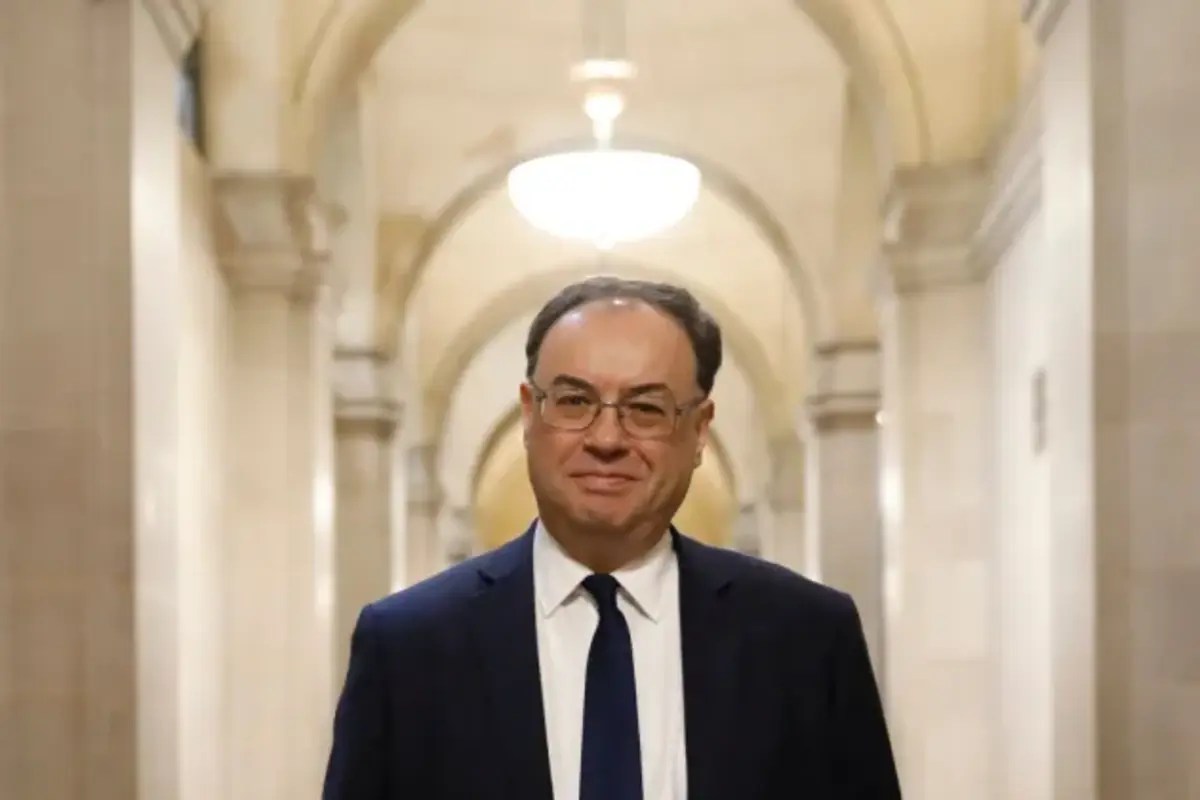
The Bank of England has said it will tolerate a delay in getting inflation back to its two per cent target as it held interest rates at 3.75 per cent in a split Monetary Policy Committee (MPC) decision.
Bank officials said they were closely monitoring the outcome of a peace deal being struck between the US and Iran, which had sent international oil and gas prices falling and eased worries over an impending economic crisis in the UK.
But the Bank warned it still expected inflation to edge higher this year, rising above 3.3 per cent from its current level of 2.8 per cent.
Minutes from the MPC decision said members had to judge how quickly the Bank would bring inflation down to two per cent and how long it would be prepared to accept stagnant growth.
Most members also agreed that higher bond yields and mortgages affecting businesses and households “were already acting to reduce inflation over time”, dampening inflationary effects and allowing the Bank to avoid hiking interest rates.
The Bank indicated that its inflation forecast had been revised down following the peace deal in energy markets and surprise figures in the UK, suggesting price pressures had eased.
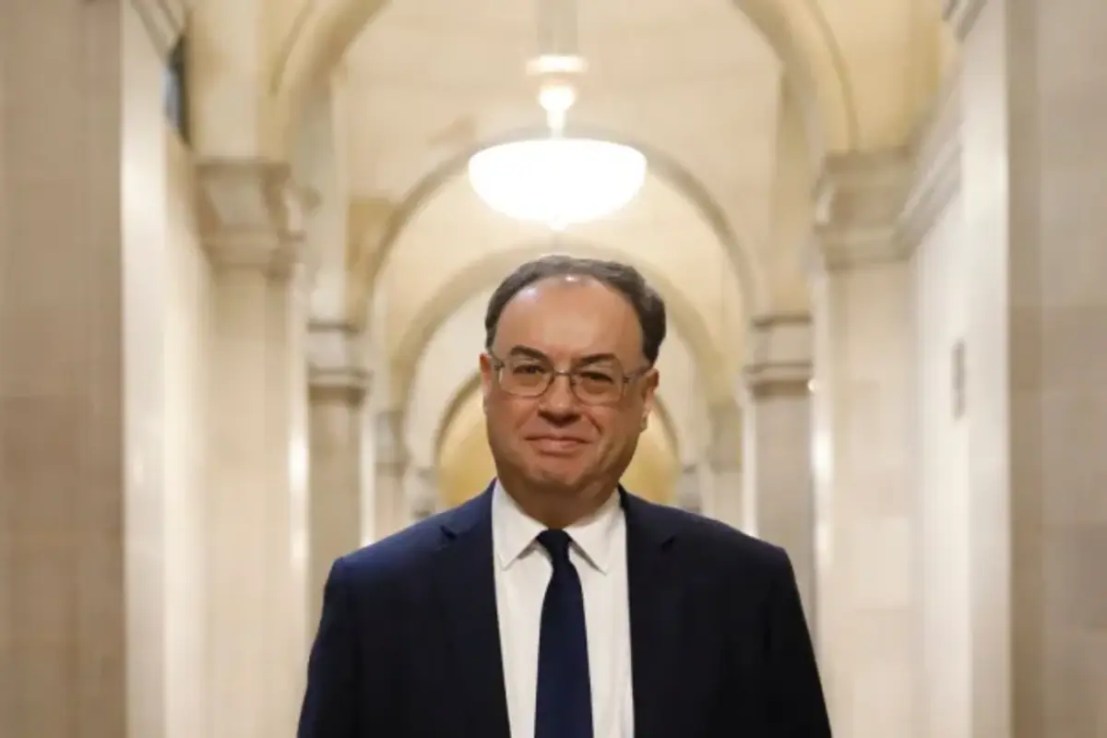
Governor Andrew Bailey, who backed a hold in interest rates, said a fall in oil prices to under $80 per barrel was “encouraging” although warned they were still higher than before the Iran war started.
“Whatever happens in the future, the higher energy prices of the past four months mean there’s already some inflationary pressure in the pipeline,” he said.
In his explanation for leaving interest rates unchanged, he said he was prepared to accept inflation staying above the Bank’s two per cent target in the medium term.
“Our remit recognises that attempting to bring inflation back to target too quickly may cause undesirable volatility in output,” he wrote.
“Given the context at present of softness in the real economy and uncertainty around the scale and duration of the shock to energy prices, tolerating temporarily above-target inflation as part of a return to target is an appropriate way to approach the trade trade-off, providing inflation expectations remain contained.”
Future interest rates hike still possible
The two Bank policymakers to back a hike in interest rates were chief economist Huw Pill and the external member Megan Greene.
Pill and Greene warned that businesses and households may be more sensitive to inflation shocks than they were in 2022, when Russia’s full-scale invasion of Ukraine led to gas prices quadrupling.
Pill said a hike in interest rates would help to prevent spiralling wage and price-setting effects and “put the MPC in a good place from which to respond” to current events.
Catherine Mann, who called for interest rates to be held on this occasion, appeared to suggest that an early interest rate hike could rattle businesses and households despite higher pricing measures “needing an activist hike”.
She said she “had time” to consider whether workers would demand higher wages, which could push prices higher than hoped.
Other members who voted with her suggested that they would be prepared to hike interest rates if conflict in the Middle East erupted again.
The MPC also warned that it would have to make an early decision on whether it believed “second-round effects”, where higher wage pressures push up prices, would take hold across the UK, given a late hike in interest rates may fail to dampen inflation rapidly enough.
Some economists have suggested that a lacklustre jobs market and easing wage growth — particularly across the private sector — would lead to weaker second-round effects than after the war in Ukraine started in 2022.