72 Russian rights abusers face EU asset freezes and travel bans for another year
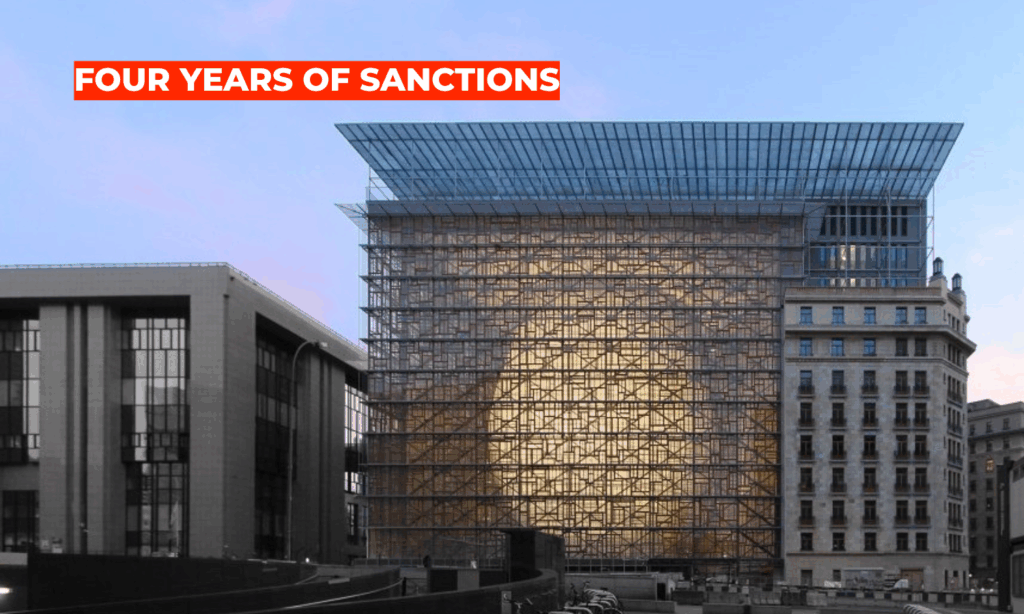

The Council of the EU extended its Russia human rights sanctions until 28 May 2027, the Council said. The framework targets those responsible for serious human rights violations and abuses, repression of civil society and democratic opposition, and undermining democracy and the rule of law in Russia. It currently lists 72 individuals and one entity.
What the sanctions cover
Listed individuals face EU asset freezes and travel bans, which prevent them from entering or transiting through EU territory. EU citizens and companies cannot send funds to them. The framework lets the Council expand the list to include supporters and others involved in the misconduct.
The framework also bars exports to Russia of equipment that could be used for internal repression. The export ban also covers equipment that might be used for monitoring or intercepting telecommunications.
Russia’s ex-combatants entering the EU is a risk flagged in a leaked threat assessment
Framework born from Navalny's death
The EU established the framework in March 2024 in response to Russia's "accelerating and systematic repression." The decision followed the death of Russian opposition leader Alexei Navalny in a Russian penal colony in February 2024. Navalny was Russia's most prominent opposition figure, jailed since 2021 on charges his allies called fabricated.
The EU treated his death as a turning point. It expressed outrage in a 19 February 2024 statement and called for an international investigation.
Brussels said it remains firmly opposed to Russia's human rights violations and repression. The Council cited Russia's war of aggression against Ukraine as deepening its concern over deteriorating human rights inside Russia.
Read also
-
Washington lets the Russian oil loophole expire, ending months of seaborne sanctions relief
-
EU’s 21st Russia sanctions package will target the shadow fleet, banks, and firms selling stolen Ukrainian grain—Politico
-
UK sanctions crypto exchanges and “A7 network” in crackdown on Russian evasion systems